
domenica 1 gennaio 2012


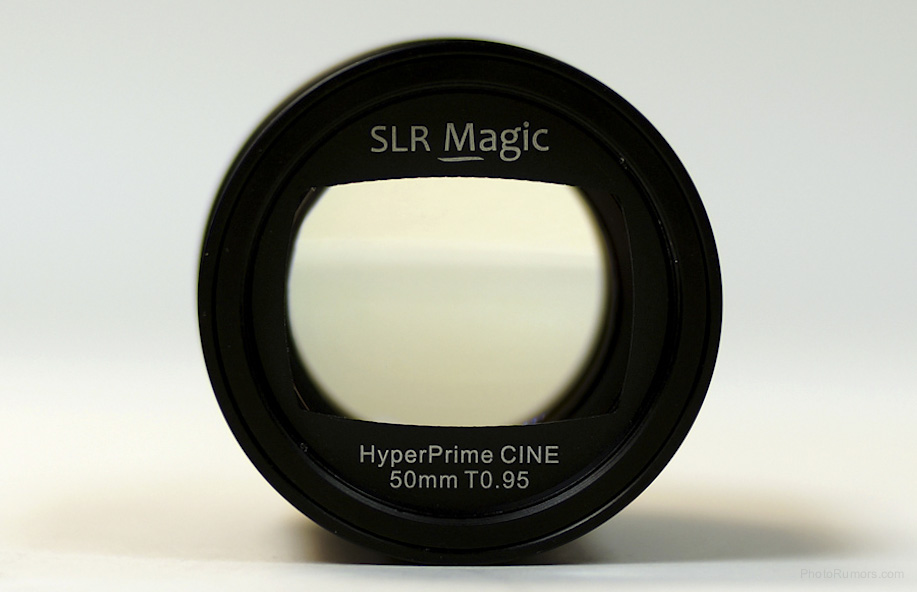
SLR Magic HyperPrime CINE 50mm T0.95 lens officially announced
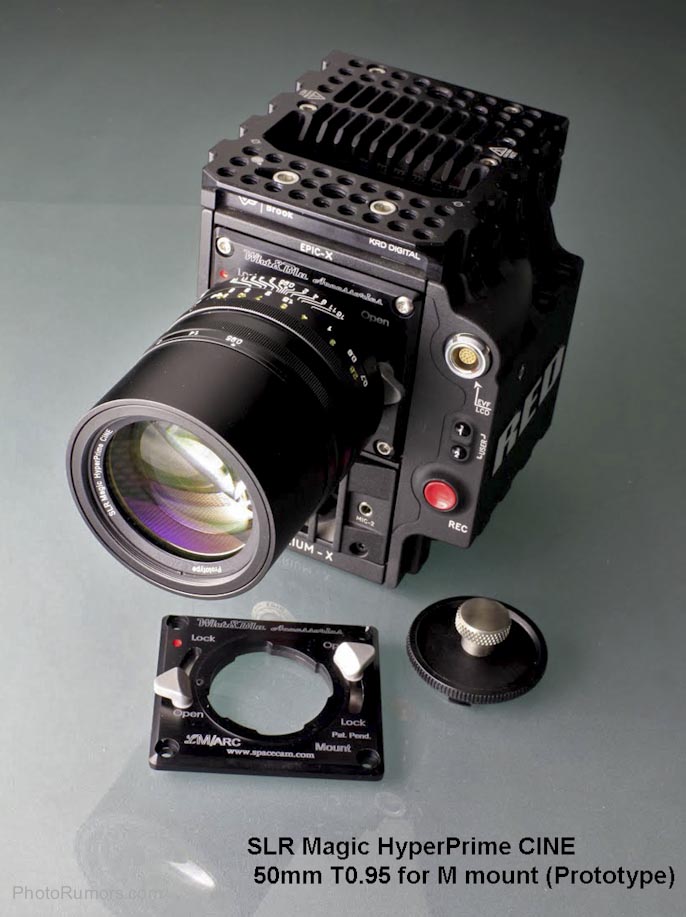
Today SLR Magic officially announced their HyperPrime CINE 50mm T0.95 lens which will be available in M mount, LM mount for cinematography, E-mount and for Micro Four Thirds cameras. Some pre-production samples can be found on LeicaRumors. The lens is expected to start shipping in September 2012. The price was not announced.

Press Release
SLR Magic expands its M mount lineup with a new normal focal length lens
Hong Kong, China (January 1, 2012) - SLR Magic opens up the M mount lens lineup with the new SLR Magic HyperPrime CINE 50mm T0.95 ultra fast normal focal length lens. The world's fastest interchangeable camera lens with an image circle beyond full frame coverage in its focal length, the SLR Magic HyperPrime CINE 50mm T0.95 concept lens will be publicly available for experience testing in September 2012 at Photokina in Cologne, Germany.
The field of view of this new HyperPrime Lens corresponds to a 50mm lens in 35mm format. It is optimized to be shot wide open. This ultra fast normal focal length prime lens opens up many new creative composition opportunities, particularly in the fields of available light, in portrait, and street cinematography. Built with modern non aspherical lens technology, the lens excels at defocusing busy backgrounds at T0.95. A minimum focus distance of 0.70m allows for artistic bokeh effect. A fast maximum aperture of T0.95 makes the SLR Magic HyperPrime CINE 50mm T0.95 ideal for available-light photography.
Our highest priority in the development of all HyperPrime lenses is to fulfill the demands of professional cinematographers and photographers. The design and build of the SLR Magic HyperPrime CINE 50mm T0.95 is solid and reliable.
The SLR Magic HyperPrime CINE 50mm T0.95, a concept lens, will be available from authorized SLR Magic dealers by the end of September 2012.
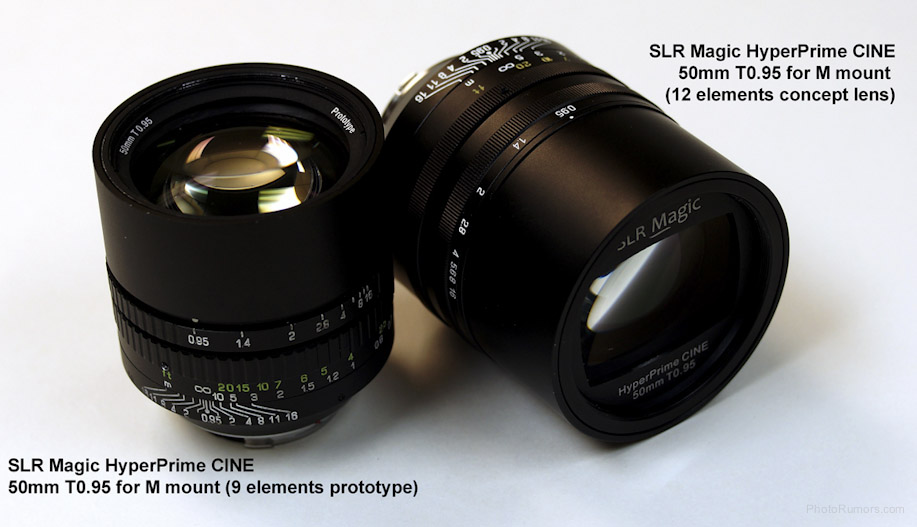
Technical Data
- Lens Type: Fast normal lens with seven Tantalum glass elements to ensure superior cinematic performance.
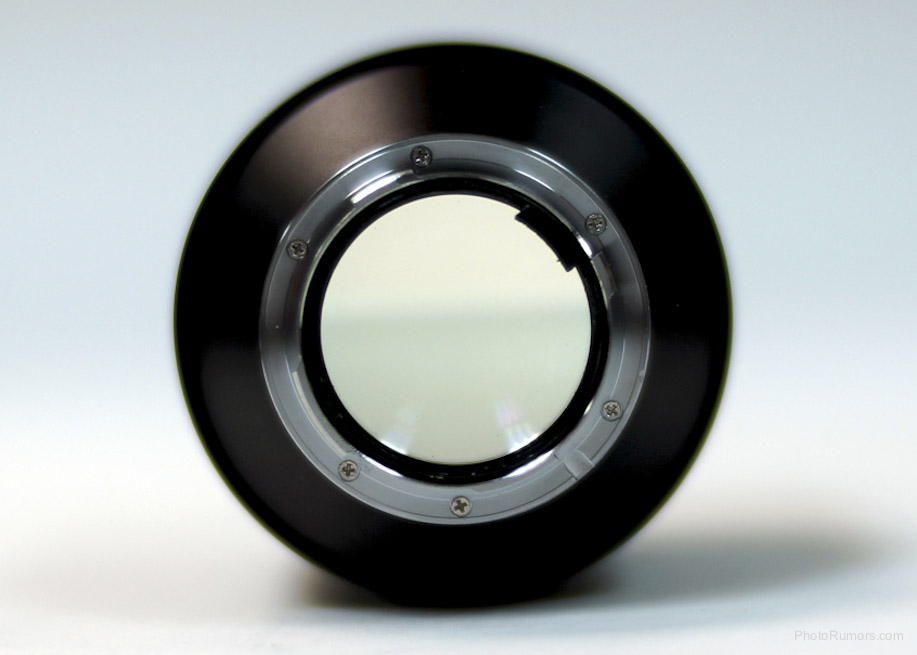
- Compatible Cameras: All RangeFinder M mount, LM mount for cinematography, E-mount, and Micro Four Thirds cameras
- Optical Design: 12 elements in 7 groups
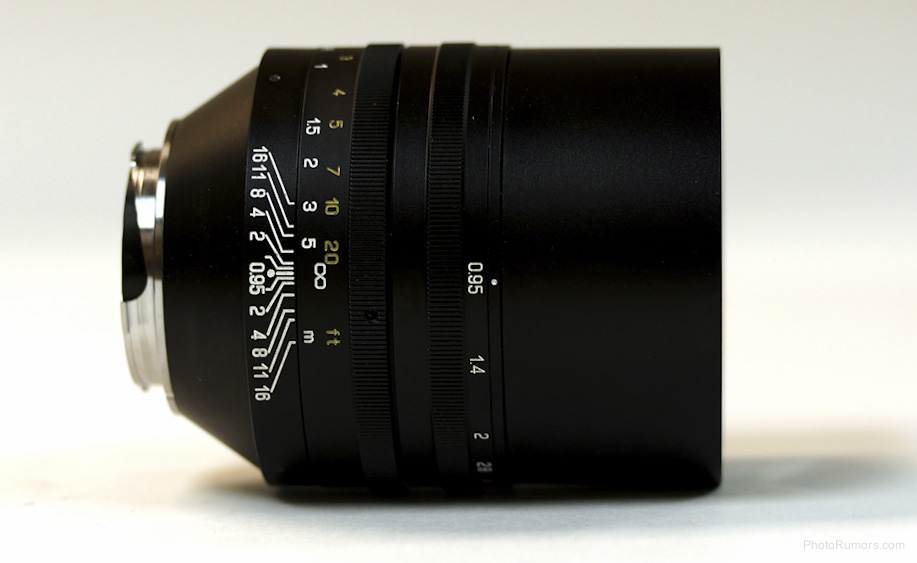
- Distance range: 0.70m to ∞, combined scale meter/feet
- Aperture: Manually controlled diaphragm, 12 aperture blades (circular), lowest value 16
- Bayonet: M-mount, E-mount, micro four thirds
- Filter Mount: 62mm; filter mount does not rotate
- Surface Finish: Black anodized
- Dimensions (length to bayonet mount): approx. 95mm (approx. 3.74in) without hood, approx. 110mm (approx. 4.33in) with retractable hood
- Largest diameter: approx. 73mm (approx. 2.87in)
- Weight: approx. 975g (approx. 34.39oz)
Fujifilm X10 vs Panasonic LX5

Mancano poche ore per la fine del 2011 un anno molto impegnativo in
disordini sociali e fenomeni naturali, ma anche nuovi sviluppi
tecnologici e, per quanto riguarda la fotografia, la moda retrò e la
miniaturizzazione ha continuato a guidare il cammino. Fujifilm
ha colpito di nuovo con la FinePix X10, che si trasformò rapidamente in
un altro oggetto del desiderio, dopo il successo commerciale del
fratello, la FinePix X100. L'azienda Nippon febbraio
promette di tornare a scuotere le fondamenta della fotografia, con il
suo sistema di primo specchio senza lenti intercambiabili e un look
retrò sensore organico diverso da quello visto finora. Per ora, ci rivolgiamo ancora una volta al X10 Fujifilm, ha recentemente pubblicato un tutorial di pseudo per una migliore approcci attraverso i filtri macro, e poco prima abbiamo dato una prima occhiata e ha emesso le nostre prime impressioni . Oggi,
essendo 08:30, giocare contro un altro fronte compatto di alta qualità,
la Panasonic Lumix LX5, una volta segmento migliore fotocamera.
Performance
L'X10 si accende più veloce, senza ritardi tra una ripresa, ma nel momento in cui scrivo, è un po 'più lento. La velocità di messa a fuoco automatica del favorabe X10 anche ricordare che offre fino a 49 punti selezionabili. La
X10 offre anche una modalità silenziosa, che lo è meno, che quando si
seleziona non è possibile utilizzare il flash interno, ma il suo scopo è
proprio un basso profilo. Un ulteriore punto a favore
della X10 è lo scoppio 7 fps a piena risoluzione e 10 fps in modalità
6MP, la LX5 CCD è limitato al solo 2.5fps. Registrazione di filmati non è la stessa, l'X10 non 1080p, mentre la LX5 720p, un'altra limitazione del CCD vs CMOS. In questa sezione è chiaro che il vincitore assoluto è l'X10.
* Un aspetto è la velocità limitata contro di scatto P / S / A del X10
FinePix, a 1/1000s f/2.0 solo, che impedisce l'uso della massima
apertura dell'obiettivo giorni completamente illuminato. Fortunatamente, questa limitazione non esiste nel modo M (manuale)

Progettazione
Extederse non hanno bisogno di molto in questa sezione, l'X10 è
solidamente costruito, esternamente e internamente è in metallo ha un
telaio in lega di magnesio, niente a che fare con la comparsa LX5
plastica. La splendida sex appeal
retrò X10 è il suo grande punto vendita in aggiunta al loro generoso
sensore 2 / 3 ", leggermente più grande del sensore CCD 1/1.63", ma per
quanto riguarda le dimensioni dei pixel, entrambi sono molto simili. Parte
del progetto è il mirino ottico, presente solo nella X10, quindi non
c'è niente di paragonabile, solo dire, che questo non fornisce alcuna
informazione o copre fino al 100%. Anche in questo caso, il vantaggio va al X10.

Qualità delle immagini
Il CCD è sempre stato il preferito fotocamere compatte fino all'arrivo
del retroilluminato CMOS, coloro che mettono il circuito dietro la
fotosensori che raccolgono e la luce in avanti. Le prime
generazioni non erano così promettenti, ma l'evoluzione è stata rapida,
la FinePix BSI CMOS da 12 megapixel è unico, nessuna telecamera altre
dota e secondo Fujifilm è stato progettato con la tecnologia EXR,
ottimizzata per velocizzare Fujinon 4X (28-112 millimetri f2.0-f2.8). Il
sensore della LX5 Lumix non è univoco, che condivide con la Olympus
XZ-1, un sensore CCD e il suo principale svantaggio è la velocità,
tradotto in un minor numero di fotogrammi al secondo è la registrazione
video solo 720p e prestazioni alte sensibilità, la cui performance vedrà
in seguito.
Il seguente è l'immagine di base, in scatole rosse corrispondono alle
due tagli selezionati di si trova a 100% in entrambi i seguenti
parametri: 28 mm, f2.8, AWB (automatico impostazione del bilanciamento
del bianco) e l'esposizione media (0,0). Esse sono dirette JPG della macchina, la LX5 alle stesse condizioni tende a sottoesporre.

Si comincia con i tagli, anche dalla ISO 100, Venus Engine aggressivo mangia parte dei dettagli più fini. Da ISO 800 e la differenza è più evidente per la X10, che dimostra ulteriormente il suo potere.


Fine della storia, l'X10 è anche migliore immagine Fujfilm (in JPG), e penso che (in attesa per il sollievo del G12 Canon), la migliore compatta avanzati presenti sul mercato. Buon Anno 2012!
Last Minute Year-End Deals

If you’re looking for a nice little year-end tax deduction, or you just want to save a buck on some camera gear, we’ve got you covered. Here are a few great deals that expire today.
Lexar 32GB Class 10 SDHC card – $32.95
(just ordered one for myself) Class 10 speed rating with a maximum transfer speed of 15MB/s. A very good (probably the best you’ll find) price for a competent 32GB memory card. This card is good for all HD video cameras and still images on digital cameras up to entry-level DSLRs. If you want to know the ins and outs of what the SD card speed ratings and classifications mean, check out Demystifying SD Cards.
Canon EF 70-200mm f/2.8L IS II USM – $1974
This deal has popped up and down a handful of times over the past couple months. For now, it looks like it will come to an end tonight.
Topaz Photoshop Plug-ins – 30% Off
Topaz Labs is offering 30% off its bundles or bundle upgrades through tonight. You must use the coupon code “YearEndSavings” when purchasing from Topaz Labs’ website.
Canon Powershot Instant Rebates – Up to $100 Off
These deals include the Canon Powershot G12 for $379.95. Also at Amazon.
Popular Photography – $9
1-year subscription to Popular Photography.
Think Tank Photo Retrospective shoulder bags – $20 rebate
Whenever you order any of Think Tank Photo’s Retrospective shoulder bags, you will receive up to $20 back. Click on the “Support” tab on each Retrospective product page to download your rebate form.
SanDisk Extreme 16GB CF card – $49
Regularly $94, these were a real deal at $65 back in October. The $45 off discount ends today and they’ll probably go back up to around $60-65 if I were guessing. SanDisk Extreme 8GB cards are available for $28.95 through today as well.
Lexar Pro 16GB CF cards (2-pack) – $79.95
Nikon 1 Series – Up to $150 Off
Instant savings deals of $50 off standard kits and up to $150 off with two-lens kits.
Lensbaby Composer for Canon – $199.95
Also available for Nikon. This deal is $50 off the normal $249.95.
Oben Tripod and Ball Head – $119.95
This is $100 off the normal price of $219.95. Max height of 66.3″ and max load of 16.8 lbs.
Music Pack Sale at SmartSmound
There are several deals available for some royalty-free music for your videos at SmartSound. I recently talked about why you should look into music licenses for your client videos and online videos. I also took advantage of these deals a couple days ago and got 13 albums for around $300 to use for upcoming projects. If you buy one of the music packs, you also get access to the excellent Scoring Edition of their software for $1.
2011 Camera of the Year

This is the first year that I have passed out honors for a Camera of the Year, and I sure picked a year full of solid cameras to do this one. There have been some truly great cameras released this year that meet all sorts of photographers’ needs, including the Canon Rebel T3i, Canon 1D X, Nikon D5100, Sony NEX-5N, NEX-7 and NEX-C3, Sony A77 and A65, Olympus E-PM1, E-PL3 and E-P3, among plenty of others.
However, only one camera gets the honor, and that camera is the Fuji X100. Read on for the why.
Fuji came out of the box with a camera that was different than what anyone else was doing and nailed it with the X100. It’s a photographer’s camera with a simple 35mm-equivalent fixed lens at f/2 and a wicked-fast sync speed thanks to the leaf shutter.
Eat up the low light? Check.
Kill the sun on the brightest day? Check.
While the Fuji X100 is not a camera for everyone, it does so many things right and then manages to keep it all simple. Factor in the slick retro styling of the X100 and it’s hard to say no to it.
Finally, someone made a camera that looks cool and also performs well. It has competent autofocus, a nice and fast lens, insane flash sync speeds and overall solid image quality.
There were lots of great cameras released this year, but the Fuji X100 is the hands-down winner in my book.
Check out my full review of the Fuji X100 for more on what makes this camera so great.
Iscriviti a:
Post (Atom)