domenica 29 gennaio 2012

Kata Launches Take A Shot Competition

News image
Kata has launched a photographic contest calling for entrants to submit shots of their Kata camera bag “in action”. The photo could be of the bag itself, carried, worn, looped on a belt or slung over a shoulder, in an exotic location or an everyday environment. This is a juried competition - the judges will choose three photos out of all submissions, and the lucky entrants will receive one of the latest Kata bags. As usual, we suggest that you read the terms & conditions before entering your work.
Website: Kata
Kata Press Release
“Take a Shot” Takes Off
KATA launches “Take a Shot” – a photography contest that combines a love of photography with KATA’s high quality products
London, 23 January 2012 - KATA, a world renowned designer and manufacturer of high quality camera bags and protective photo gear, has launched a photographic contest celebrating a passion for photography and a love of adventure. The KATA bag ranges are highly versatile, allowing photographers to take along kit ranging from a simple point-and-shoot to a DSLR with lenses and tripod.
The “Take a Shot” contest calls for entrants to submit shots of their most important photographic companion – their KATA camera bag – in action. The photo could be of the bag itself, carried, worn, looped on a belt or slung over a shoulder, in an exotic location or an everyday environment. The possibilities are endless and KATA wants a peek at some of the adventures that your KATA bag makes possible. The judges, a panel of photo experts employed by KATA, will be looking for images that showcase creativity and originality with KATA at the centre of the image. Technical know-how and insightful shot composition in conjunction with a passion for capturing the perfect image in an inspiration or unique setting are all key elements that the judges will be looking for when making their final decision.
“Judging a contest like this means we will have to sift through a lot of great shots”, says Bellina Israel, KATA’s Line Manager. “But when a picture is taken with real passion and a love of photography you can tell right away. Pictures like that stand out.”
To submit a photo, entrants should visit http://www.katabags.co.uk. Judges will choose three photos out of all submissions, and the lucky entrants will receive one of the latest KATA bags.

venerdì 27 gennaio 2012

Lexar® Professional 1000x CompactFlash® Card


  • Sfrutta la tecnologia UDMA 7 per fornire leader del settore 1000x (150MB / s) minimo garantito leggere sostenuta velocità di trasferimento *
  • Acquisire e memorizzare immagini di alta qualità e video 1080p Full HD e 3D con la fotocamera reflex digitale
  • Supporta VPG-20 per video di qualità professionale
  • Velocissimo trasferimento dei file dalla scheda al computer per accelerare drasticamente il flusso di lavoro **
  • Include Rescue scaricabile Immagine ® 4 software per recuperare foto persi o cancellati e file video ***
  • Compatibile con UDMA CF e dispositivi CF
  • Gratuito dedicato di supporto tecnico professionale
  • Garanzia a vita
  • Ultimo livello professionale, Alta Velocità e Prestazioni 

    La Lexar ® Professional 1000x CompactFlash ® (CF) memory card offre il massimo della prestazioni ad alta velocità e affidabilità per fotografi professionisti, con i leader del settore 1000x (150MB / s), velocità minima garantita di trasferimento leggere .* La scheda fornisce il supporto per alta risoluzione UDMA fotocamere reflex digitali, consente di acquisire e archiviare immagini di alta qualità e video 1080p Full HD e 3D, e migliora notevolmente le velocità di trasferimento quando accoppiato con un UDMA lettore. La scheda Lexar Professional CF 1000x è disponibile in 16GB, 32GB, 64GB e 128GB di capacità.

    Massimizzare la cattura, capacità e flusso di lavoro

    Ultimo livello professionale velocità e prestazioni per accelerare drasticamente flusso di lavoro. La scheda Lexar Professional 1000x CF sfrutta l'impressionante, prestazioni ad alta velocità della tecnologia UDMA 7 per fornire leader nel settore minimo garantito leggere sostenuta velocità di trasferimento di 1000x (150MB / s) o più veloce .* Prestazioni ottimizzate per sfruttare le nuove funzionalità disponibili foto e video in high-end fotocamere reflex digitali, consente di catturare immagini di alta qualità e 1080p HD e video 3D, e poi il trasferimento dalla scheda al computer a velocissimo velocità .* * Questo accelera notevolmente il flusso di lavoro dall'inizio alla fine, in modo da poter tornare al business della fotografia.
    Supporta il VPG-20 Specifiche per qualità professionale Video. La scheda Lexar Professional CF 1000x supporta una garanzia sulle prestazioni video (VPG-20) specifica. Questo significa che la carta è stata testata e garantita per i flussi professionali di acquisizione video fino a 20MB / s. Ciò consente di qualità professionale Full HD cattura video a frame rate elevati senza perdita di frame.
    Include preziosi software scaricabili. La scheda Lexar Professional 1000x CF include l'ultima versione della premiata Lexar Image Rescue ® 4, che fornisce il recupero più affidabile di foto e file video, anche se sono stati cancellati o la scheda è stata danneggiata .***
    Prestazioni senza precedenti, affidabilità e compatibilità. Il team di Lexar collabora con produttori di fotocamere importante per garantire tutte le memory card Lexar sono compatibili con le loro macchine fotografiche digitali, dalle più semplici alle più complesse. Le carte sono anche testato nei laboratori di qualità Lexar, strutture con più di 800 fotocamere digitali e dispositivi di memory card, per garantire ulteriormente la compatibilità e le prestazioni. E tutte le schede Lexar Professional sono dotati di una garanzia a vita limitata e un libero, linea dedicata assistenza clienti. Progettato con fotografi professionisti in mente, la velocità di tecnologia avanzata e sfolgorante della scheda Lexar CF 1000x Professional offre le massime prestazioni della scheda di memoria.
    Lexar offre una linea completa di prodotti innovativi, premiati prodotti di memoria in diverse categorie, tra cui schede di memoria, lettori di schede, unità flash USB, unità di backup e portatili. Con così tante opzioni, è facile trovare la giusta soluzione Lexar per soddisfare le vostre esigenze.
    Lexar. When Memory Matters. ™

    * Minimo 150MB / s di trasferimento in lettura, scrittura velocità inferiori. Velocità di base tester TestMetrix certificati. Effettiva velocità sostenuta può variare a seconda del dispositivo host.
    ** Quando è accoppiato con un lettore di 7 UDMA abilitata, venduto separatamente.
    *** Immagine o altro il recupero dei dati non è garantita al 100%.
    Effettiva capacità di memoria utilizzabile può variare. 1 GB equivale a 1 miliardo di byte.
    NOTA: L'aspetto del prodotto, offerte di software, e confezionamento possono variare a seconda della data di spedizione e le scorte disponibili.
    Garanzia a vita è limitata a 10 anni dalla data di acquisto in Germania
     

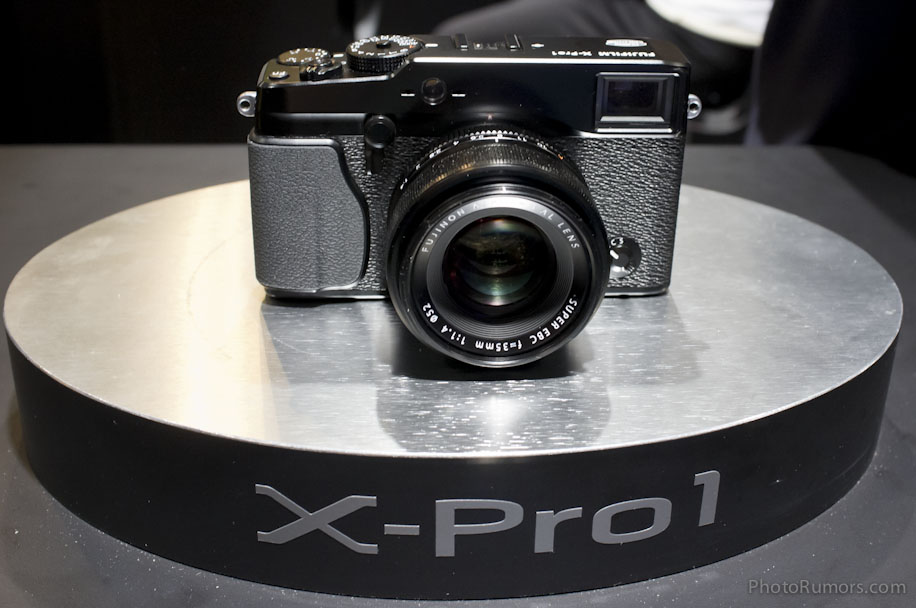
Fuji X-Pro1 will start shipping on February 18th in Japan, price still not confirmed

Fujifilm X Pro 1 camera CES 1 Fuji X Pro1 will start shipping on February 18th in Japan, price still not confirmed
Fujifilm Japan officially announced the release date of the X-Pro1 mirrorless camera for the Japanese market: February 18th, 2012. New sample images taken with all three lenses have been uploaded to the X-Pro1 microsite.
Several online stores around the world have listed various prices for the new X-Pro1 products, but Fuji has not yet made an official statement. I already mentioned that the US MSRP will be very close (if not identical) to the already leaked prices on Amazon:
Price for other countries will be slightly higher.
Two new X-Pro1 videos from the Fuji guys:

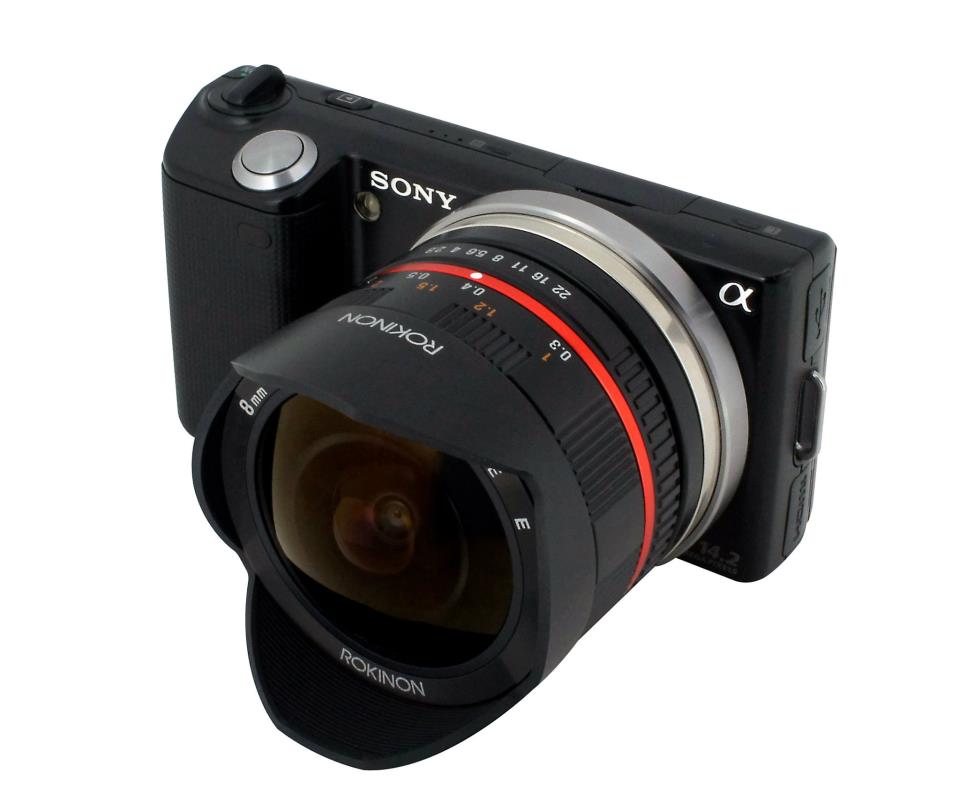
Samyang 24mm f/1.4 D AS UMC price announced, Rokinon 8mm f/2.8 fisheye lens for Sony NEX introduced

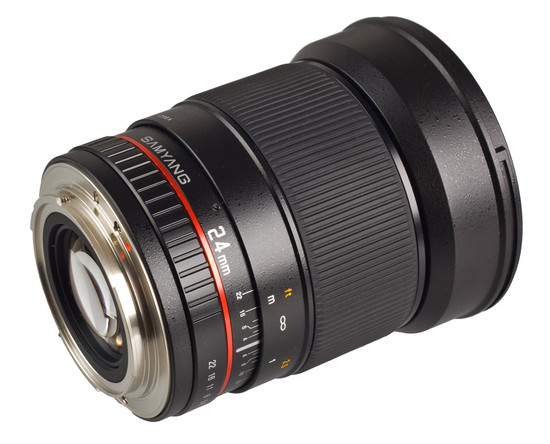
 Samyang 24mm f/1.4 D AS UMC price announced, Rokinon 8mm f/2.8 fisheye lens for Sony NEX introduced
Samyang announced the European price of their 24mm f/1.4 D AS UMC lens:
Samyang 24mm 1:1.4 ED AS UMC will be available in sale in the first week of February this year. The estimated retail price in Europe will be:
  • 599 EUR gross- Samyang 24mm 1:1.4 ED AS UMC (Canon, Four-thirds, Pentax, Samsung NX, Sony)
  • 625 EUR gross - Samyang AE 24mm 1:1.4 ED AS UMC (Nikon)
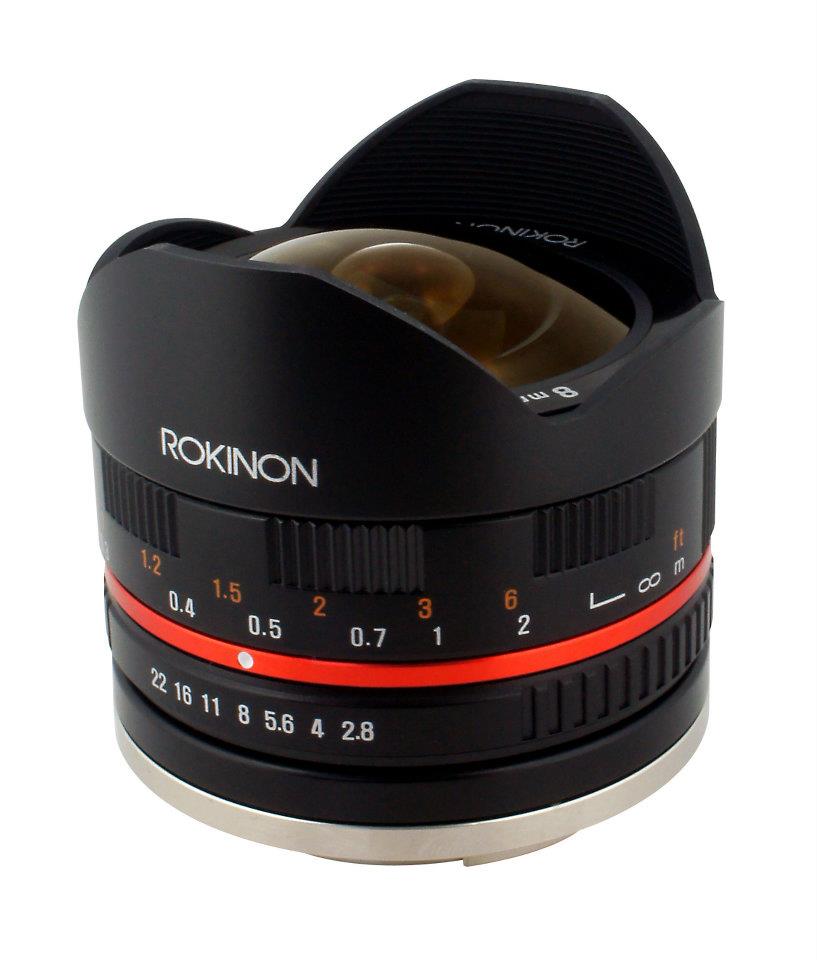
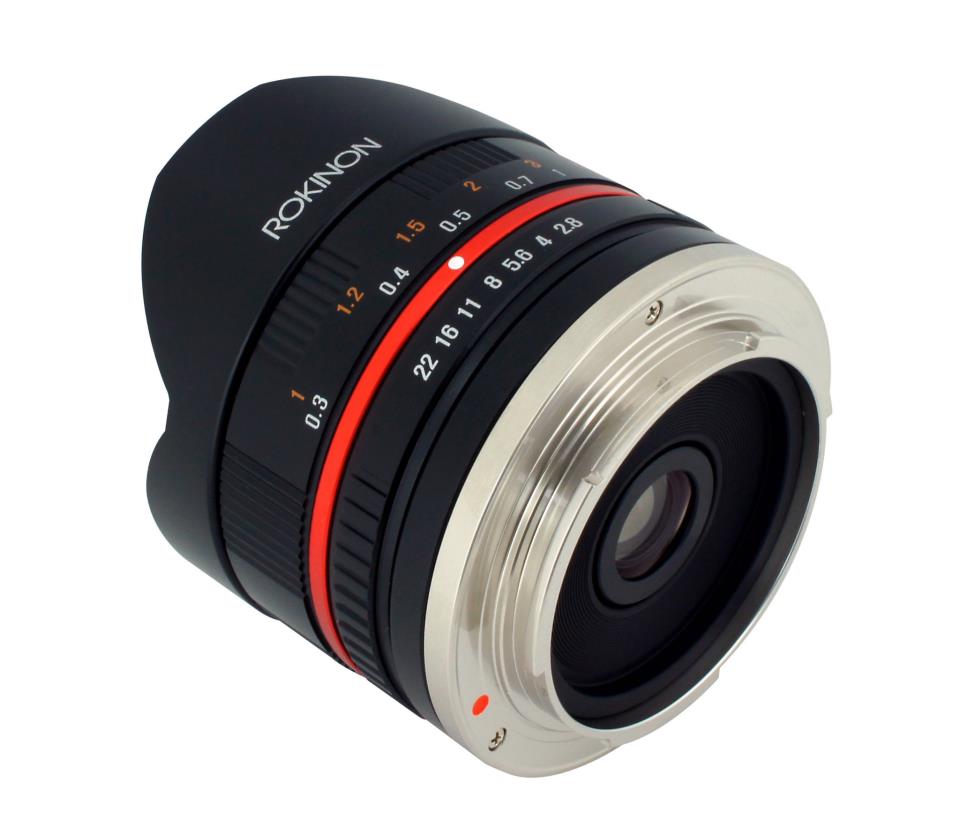
Rokinon (same manufacturer as Samyang) posted on Facebook the first images of their new 8mm f/2.8 fisheye lens for Sony NEX cameras:

 Samyang 24mm f/1.4 D AS UMC price announced, Rokinon 8mm f/2.8 fisheye lens for Sony NEX introduced
 Samyang 24mm f/1.4 D AS UMC price announced, Rokinon 8mm f/2.8 fisheye lens for Sony NEX introduced
 Samyang 24mm f/1.4 D AS UMC price announced, Rokinon 8mm f/2.8 fisheye lens for Sony NEX introduced

A Sneak Peek at Adobe Camera Raw 7


Here’s a cool sneak peek at some of the new features coming to the next version of Adobe Camera Raw. The adjustment brushes will have powerful new options for local adjustments, including temperature, tint, and noise. We also get to see the new dark interface that’ll come by default with Photoshop CS6.
Although the new, rewritten processing engine for ACR7 isn’t available to the public, it’s the same engine found in Lightroom 4, which just became available as a free public beta download a couple weeks ago.
(via 1001 Noisy Cameras)

Nikon D800, la vedremo il 7 febbraio

Nikon D800
Questa macchina è l’erede della ottima D700 e sarà la prossima reflex prosumer a pieno formato della Nikon. Pur non essendo ancora in commercio la D800 è già una fotocamera molto discussa: in tanti sul web infatti hanno storto il naso leggendo il valore della risoluzione del sensore: ben 36megapixel. Per onor di cronaca riportiamo le specifiche tecniche più probabili ipotizzate finora
  • più piccola e più leggera della Nikon D700
  • risoluzione 7360×4912 (36MP)
  • doppio slot di memoria CF+SD
  • display leggermente più ampio rispetto alla D700
  • qualità video superiore a quella della Nikon D3s
  • modalità video 1080p/30/25/24 e 720p/60/30/25/24
  • autofocus identico a quello della serie D3/D700
NikonRumors, generalmente molto affidabile, ha fornito un’inattesa data di uscita. Nikon svelerà la D800 si il 7 febbraio durante il suo evento. La macchina sarà in vendita qualche settimana dopo il lancio e sarà mostrata al pubblico al CP+ che si terrà in Giappone nelle prossime settimane. Un’ulteriore conferma ci è fornita da Nikon stessa, la casa nipponica, infatti, ha eliminato dal proprio sito la D700 e la D300s classificandole come fotocamere “discontinued”.
Non resta che aspettare una settimana circa, vedremo se il sito americano avrà di nuovo indovinato la previsione, e soprattutto potremo controllare direttamente le prestazioni del fantomatico sensore da 36megapixel.
Via|NikonRumors

Fujifilm X-Pro1 Owners’ Manual Now Available for Download


News image

Fujifilm has posted the English-language manual of the X-Pro1 compact system camera on its website. The 120+16-page instruction booklet is available in Adobe Portable Document Format. You can download the PDF file from the website below.
Website: Fujifilm
Via PR

Primatte Event 5.1

News image
Digital Anarchy has recently released version 5.1 of its Primatte Event plug-in for Apple Aperture 3.0 and higher. Primatte Event is designed primarily for photographers who work in high-volume or live environments, and often process thousands of green screen images for events, little league and school portraits. This release adds the ability to use Primatte Event in a live green screen photoshoot utilising Aperture’s tethering and batch capabilities, and also includes a number of improvements to existing features. “Our new Primatte Event plug-in was designed specifically for Aperture, and opens new possibilities for photographers who shoot a lot of green screen images,” said Jim Tierney, President of Digital Anarchy. “The tethering and batch features in Aperture make productivity and output much easier, and allow us to offer features that we can’t do in Photoshop.” Primatte Event 5.1 is regularly priced at USD $299, and is on sale for $199 through 1st February.
The company also has a Photoshop plug-in called Primatte Chromakey, which is more post-production oriented.
Website: Digital Anarchy
Digital Anarchy Press Release
Digital Anarchy Releases Primatte Event 5.1 for Live Chromakey Photoshoots Using Apple Aperture 3.0 New Plug-in Turns Aperture into a Powerful Greenscreen Solution for Event Photographers Doing Live Shoots
San Francisco, CA — January 7, 2012 —
Digital Anarchy, a leading provider of cost-effective software for photographers and digital artists, today announced the availability of Primatte Event chromakey software for Apple Aperture 3.2. This new product features the ability to use Primatte Event in a live greenscreen photoshoot by using Aperture’s tethering and batch capabilities. This 5.1 release also includes a number of improvements to existing features in Primatte 5.0, which are available in a free update to the Primatte Chromakey plug-in for Adobe Photoshop and Photoshop Elements users.
Primatte Event is the perfect choice for photographers who work in high volume or live environments, and often process thousands of greenscreen images for events, little league and school portraits. A photographer can use Primatte Event seamlessly in a live workflow by first capturing a photo using Aperture’s Tether panel. Primatte Event will automatically remove the chromakey screen, and its improved Backdrop Preview can choose a new background on the fly.
The power of Primatte is fully available in this new, live workflow: AutoMask, 3-Step masking, color correction, backdrops and overlays. In Aperture, a photographer can print or save the final Primatte composite and quickly move on to the next subject, taking just a couple minutes for each photo. Alternately, the photographer can treat a group of Primatte photos and process them in batch later, if handing a print to the subject immediately is not necessary.
“Our new Primatte Event plug-in was designed specifically for Aperture, and opens new possibilities for photographers who shoot a lot of greenscreen images,” said Jim Tierney, President of Digital Anarchy. “The tethering and batch features in Aperture make productivity and output much easier, and allow us to offer features that we can’t do in Photoshop. We’re very excited to offer this kind of solution to event photographers.”
Helpful features of Primatte Event 5.1 and Primatte Chromakey 5.1 include:
  * Tethered photo import: Seamlessly use Primatte Event in a tethered live workflow, processing each subject from shot to print in a few minutes.This use of Aperture opens up creative possibilities for event photographers. (Primatte Event only.)
  * Batch processing: Make use of Aperture’s ability to batch process, batch all at once, or go through each photo individually to make adjustments. With one click of a button, Aperture and Primatte can batch process all of the images for a powerful high volume workflow. (Primatte Event only)
  * Preview multiple backgrounds: Quickly preview multiple Backdrops and Overlays during a session. A new Move to Front feature is very helpful in flipping between logos and custom backgrounds as clients watch.
  * More intelligent transforming: Scaling and rotating now operates from the center of an image, rather than transforming from top left corner, making these operations more intuitive and easier to use.
  * Smarter AutoMask: Introduced in Primatte 5.0, a redesigned AutoMask tool gives a very high success rate and easier functionality when batch processing large numbers of photographs. This is an essential tool for the high volume photographer.
  * Works automatically: Use Primatte Event to identify the background color, automatically key it out, and remove color spill without any user interaction.
  * Industry -leading technology: For over 20 years, Primatte has been the cutting edge of c hromakey technology for film, television and photography. Primatte has been used on feature films including Lord of the Rings, Harry Potter and 300, and on TV shows like Deadwood and House.
Pricing and Availability
Primatte Event 5.1 is regularly priced at USD $299, and is on sale for $199 through Feb 1st, 2012. This Mac-only product works in Apple Aperture 3.0 or higher, and runs on OS 10.5, 10.6 and 10.7.
Primatte Chromakey 5.1 is regularly priced at USD $299, and is on sale for $199 through Feb 1st, 2012. A free update is available for owners of Primatte 5.0 and a discounted upgrade is available for all other Primatte owners. On Mac, the plug-in works in Photoshop CS3– CS5.1, and runs on OS 10.5, 10.6 and 10.7. On Windows, the plug-in works in Photoshop CS– CS5.1, and runs on Windows XP, Vista 32-bit/64-bit and Windows 7.
Owners of any version of Primatte Chromakey can crossgrade to Primatte Event for only $99. Owners of Primatte Chromakey 3.0 or 3.5 can alternately crossgrade to the Primatte Extreme discount bundle for $199, which includes an instant upgrade to both 5.1 releases.
Demo filters and samples are available at http://www.digitalanarchy.com.

Patent: Canon RAW Video

Patent: Canon RAW Video
Canon has filed a patent for RAW video
“The recording of successive frames of raw sensor data depicting a moving scene is provided. The raw sensor data comprises pixel data for an image sensor having pixels arranged in correspondence to a mosaic of plural different colors in a color filter array.”
EOSHD broke it down for people that like english.
  • Designed for compatibility with CF cards
  • Supports 4K and 2K video (4K is 4096×2048)
  • Works with Bayer CMOS sensor (like the one in a DSLR)
  • Sensor output is 12bit
Although current C300 camera has a 4K sensor, it cannot output a 4K image because most of the pixels are used to reconstruct colour without interpolation (made up pixels in-between).
Source: [P5D] via @Loricnet

Sony Develops Next-generation Back-Illuminated CMOS Image Sensor

News image
Sony has developed a new next-generation back-illuminated CMOS image sensor with higher image quality, faster speeds, lower power consumption and better functionality. This image sensor layers the pixel section containing formations of back-illuminated structure pixels onto chips containing the circuit section for signal processing, which is in place of supporting substrates for conventional back-illuminated CMOS image sensors. Models have been developed with Sony’s unique “RGBW Coding” function, which facilitates low noise, high quality image capture even in low light condition, and the proprietary “HDR (High Dynamic Range) Movie” function, which achieves brilliant color even when taking pictures against bright light. Samples of the new Sony BSI sensor will be shipped from March 2012.
Sony Japan Press Release
Sony Develops Next-generation Back-Illuminated CMOS Image Sensor which Embodies the Continuous Evolution of the Camera
- Expanding Shooting Enjoyment and Advanced Functionality of Smartphones and Other Devices -
Tokyo, Japan - January 23, 2012 - Sony Corporation (“Sony”) today announced that it has developed a new next-generation back-illuminated CMOS image sensor which embodies the continuous evolution of the camera. This image sensor layers the pixel section containing formations of back-illuminated structure pixels onto chips containing the circuit section for signal processing, which is in place of supporting substrates for conventional back-illuminated CMOS image sensors. This structure achieves further enhancement in image quality, superior functionalities and a more compact size that will lead to enhanced camera evolution.
Hereafter, Sony will position it as the next generation back-illuminated CMOS image sensors, and unwaveringly strive to further develop this image sensor and expand its product lineup, thereby contributing to the further development of user-friendly cameras and to shooting enjoyment.
Features of stacked CMOS image sensor
  * Large-scale signal processing circuits required for higher image quality and better functionality are built-in
  * More compact image sensor chip size
  * Even higher image quality of the pixel section by adopting manufacturing processes specialized for superior image quality
  * Faster speeds and lower power consumption by adopting the leading process for the circuit section
Background of development
The popularization of smartphones and other devices in recent years has been accompanied by an increasingly diverse use of camera functionality. This has brought heightened demand for more sophisticated cameras, to ensure adaptability to a wider range of scenes and Sony developed this stacked CMOS image sensor to meet such demand. In addition to the higher pixel numbers, superior image quality and faster speeds which conventional image sensors pursued, the newly-developed image sensors further achieve more highly-advanced functionalities and a more compact size, thus paving the way for enhanced camera evolution.
As the first step towards the commercialization of its new CMOS image sensors, Sony has developed a model with built-in signal processing functionality, an element that usually requires external embedment. Samples will be shipped from March, 2012. Accordingly, models have been developed with Sony’s unique “RGBW Coding” function, which facilitates low noise, high quality image capture even in low light condition, and the proprietary “HDR (High Dynamic Range) Movie” function, which achieves brilliant color even when taking pictures against bright light.
About stacked CMOS image sensors
Conventional CMOS image sensors mount the pixel section and analog logic circuit on top of the same chip, which require numerous constraints when wishing to mount the large-scale circuits such as measures to counter the circuit scale and chip size, measures to suppress noise caused by the layout of the pixel and circuit sections, and optimizing the characteristics of pixels and circuit transistors.
Sony has succeeded in establishing a structure that layers the pixel section containing formations of back-illuminated structure pixels over the chip affixed with mounted circuits for signal processing, which is in place of supporting substrates used for conventional back-illuminated CMOS image sensors. By this stacked structure, large-scale circuits can now be mounted keeping small chip size. Furthermore, as the pixel section and circuit section are formed as independent chips, a manufacturing process can be adopted, enabling the pixel section to be specialized for higher image quality while the circuit section can be specialized for higher functionality, thus simultaneously achieving higher image quality, superior functionality and a more compact size. In addition, faster signal processing and lower power consumption can also be achieved through the use of leading process for the chip containing the circuits.

X-Circle by LockCircle

News image
The new X-Circle kit by LockCircle allows Nikon F-mount manual-focus lenses to be used for cine-style work on any Canon HDSLR camera. Expensive cinematography lenses have one important feature that still photography lenses cannot offer: markings on an angled surface of the lens barrel, making it easy to read focus and aperture settings from the side or behind the camera. Using X-Circle, any Nikon F-mount manual-focus lens can be mounted on any Canon HDSLR camera with a 90° rotation. This allows camera assistants / focus pullers to see the aperture and focus markings better for improved performance. X-Circle is based on a high-precision collimation ring and a stainless steel bayonet, available in kits supplied with all the necessary screws for easy assembly. The kits will start shipping in February for $159.
x-Circle Press Release
Innovative professional cine-style F-Mount to EF-Mount Bayonet featuring SIDE INDEX VIEW and CINE-LOCK!
The trend of filming using a HDSLR is unstoppable, and the classic EF-Mount bayonet is becoming very popular in filmmaking field like a serious alternative cinematography camera mount!
The EF-Mount has a successful second life in the cinematography field, something that no-one expected when it was designed to be the best still-camera bayonet mount, the same destiny happened to the HDSLR cameras offering motion images from a still photo camera, but still lenses are different than motion-picture lenses, just this is the starting point of the X-Circle project.
Expensive cinematography lenses (cinema primes really cost a fortune) have one important feature that still lenses cannot offer: marking on angled surface of the barrel, making it easy to read focus and aperture settings from side or behind the camera.
X-Circle has a smart solution (pat.pend.), a simple idea but very important….a lens ergonomics re-thought!
Every Nikon F-Mount Manual Focus lenses (including the professional ZF.2 Series) can be modified to X-Circle cine-style EF-Mount with a rock-solid mount (it’s not an adapter, but a complete new mount) in five minutes with a 90° rotation of the focus/aperture marking from the original top position to the side! This is what we call SIDE INDEX VIEW (pat.pend).
Camera assistants (stressed by the bad reading of top markings on the barrel)  will appreciate the focus and aperture marks on the side of the lens barrel exactly behind the follow-focus knob, that’s improves the performance of the focus-puller work with a simple ergonomics re-thought: a special (pat.pending) 90° rotated bayonet mount that moves the lens barrel marking from the top (photo mode) to the side (cine mode).
X-Circle is a complete bayonet mount with precise professional grade mechanical tolerances and not just and adapter with annoying mechanical play (and shot ruining) when pulling focus for video or cinema productions.
X-Circle is based on a highly precision collimation ring and a stainless - steel bayonet, available in kits supplied with all the necessary screws to be easily installed by yourself following simple “step by step” instructions, and in case you’ll need to step back to F-Mount it will be really easy:  the best of two worlds, open to the future camera race!
The X-Circle stainless-steel EF Bayonet features the exclusive patent pending CineLock,  that offers a rock-solid cine-style bayonet locking, designed to keep the lens really tighted to the camera especially when stressed by follow-focus work or remote control motors on gears.
There had been a long engineering work around the original EF-Mount bayonet and at the end we came out with some important improvements and the X-Circle CineLock bayonet upgrade offers a real cine-style rock-solid locking of the lens on the camera X-Circle is lens ergonomics re-thought!  Side View Index and CineLock features….for your next “Hollywood Style” shooting!
Can be ordered now, shipment starts from end of Febraury 2012
Price List USD 159
For more informations:  info@lockcircle.com              http://www.lockcircle.com

X-Circle by LockCircle highlights
-        Still photography lenses mets professinal cine-style features.
-        Nikon F-Mount Manual Focus (including ZF.2) to cine-style Canon EF-Mount.
-        Exclusive SIDE INDEX VIEW (pat.pend.) for easy to read focus/aperture settings.
-        Innovative CineLock EF Bayonet with improved locking features for cine-style focus work.
-        Easy to mount kits with “step by step” instructions.
-        Focus to infinity.
-        Matte black painted rims for no reflection or flares.
-        Vision expanded with million of F-Mount lenses out there.
-        X-Circle is designed by a cinematographer on the field to improve shooting quality!

Mystery Canon DSLR Spotted in the Wild

News image
A mysterious new Canon DSLR has been spotted in the wilds of Africa. As well as snapping the local wildlife, Stephen Oachs of the website Aperture Academy also photographed what could potentially be the new 5D Mark III, 5D X or the 7D Mark II whilst on safari in Kenya. Being used by a Canon employee, the new camera looks rather like a cross between the existing 5D Mark II and 7D models. Only time will tell if this very polished prototype ever sees the light of day…

giovedì 26 gennaio 2012

Manfrotto 560B and 561B Fluid Video Monopods Review


Manfrotto 561BHDV
This is going to be a pretty short and sweet review; however, I wanted to get my thoughts out there for those of you interested in run & gun video stabilization setups.  When we went to CES earlier this month, we took the Manfrotto 561B and 560B video monopods with us for capturing video from the show floor.
In short, they rock. 
If you aren’t familiar with these video monopods, it’s a slick little setup that has the fluid pan cartridge at the base of the monopod, instead of in the head.  This setup allows for better control when panning because you aren’t torquing the top of the unit, which can be more challenging to keep the monopod steady.  With the fluid pan cartridge at the bottom of the unit, the pan is more natural and stable.
Between the two units, the larger 561B is the better unit for getting the smoothest pans and tilts.  The head is actually a modified version of the fluid 701HDV head that allows tilting only (again, the pan is at the base).  The head on the 561B also offers a pan-arm (I suppose it’s a tilt-arm in this case), which can be attached to either side.
The 560B is a more compact unit with no fluid head – tilting is adjusted based on friction only.  It’s lighter and more compact for the most extreme guerrilla situation.  I found the pan base to be as smooth and effective as the 561B though.
For me, the biggest advantage of the fluid head on the 561B was the ease with which you can execute faux-dolly moves by tilting the base ball unit forward and back while holding the head level on your subject.  It takes some practice; however, the technique is certainly easier on the 561B thanks to the modified 701HDV fluid head.
One quick tip for keeping things smooth is to make sure that you place your foot on one of the three little pop-out “legs” at the base.  Keeping pressure here ensures that the legs don’t lift up off the ground when rotating and cause the monopod to lift off the ground and snap down during a pan or faux-dolly move.  We had this happen a few times and thought that the fluid cartridge was defective until we discovered that it was user error.
Again, these monopods are great tools for run and gun or light/fast ENG setups.  The 560B unit carries a max weight of 4.4 lbs, while the larger 561B unit with fluid head handles up to 8.8 lbs.  Either should work fine for most HDSLR or lighter camcorder setups.  I recommend going with the 561B and fluid head if you don’t mind spending the extra $100 or so.
You can see some of the samples we shot at CES on Photography Bay’s YouTube channel.  Note that Nick even used to the monopod for a neat little jib move (around the 00:10-00:16 mark) on the Steadicam Merlin 2 video.
The Manfrotto 561B and 560B fluid video monopods are available from Photography Bay’s trusted retail partner, B&H Photo, at the following links:
Manfrotto 561B Video Monopod w/ Fluid Head
Manfrotto 560B Video Monopod

Vanguard GH-200 Hands-On


Vanguard GH-200
On my last day at CES 2012, I stopped by the Vanguard booth to check out some of their new products.  I’ve been a Vanguard fan since I bought the SBH-250 ball head a couple of years or so back.
One of the new items from Vanguard this year is an updated version of their pistol-grip ball head.  The GH-100 was last year’s model, which I’ve used and enjoyed quite a bit – although I have neglected to publish a review on it.  The GH-200 is the new model and it improves on the few minor complaints I had about the otherwise solid GH-100.  In essence, you can take this as a review of both units with some notes on what makes the GH-200 an improved offering.
Vanguard GH-200
Like its predecessor, the GH-200 features Vanguard’s robust build quality in the ball and cup construction.  Functionally, it works much like a standard ball head would if you flipped it upside down.  The difference, of course, is the presence of the pistol grip on the side of the unit.
The purpose of the pistol grip is to allow photographers to lock down on a tension setting and then quickly change positions by squeezing the handle/trigger.  Doing so releases the tension which, in turn, allows for rapid repositioning of the ball head angle.  Release the trigger and you are, again, locked down tight.
In practice, this works very well.  Tension stays tight and movement to different positions goes quickly.  I’ve even been known to use the GH-100 for quickly framing up locked down shots for video interviews.
Vanguard GH-200
As noted, the GH-200 improves on the GH-100 in a few different ways.  First up is a new mounting plate.  Instead of the switch-lock QR plate on the GH-100, the GH-200 employs an Arca-Swiss compatible plate.  Additionally, the construction is also a bit beefier all the way around.  I had no complaints about the construction quality of the GH-100; however, I have no complaints about Vanguard stepping it up a notch on the GH-200 either.  The GH-100 supported up to 13.2 lbs, while the GH-200 supports up to 14.4 lbs.  I consider both to be rather over-Vanguard GH-100built and that these numbers are conservative.
Vanguard GH-200
One final improvement that I’ll note is the inclusion of 2 bubble levels in logical locations.  The GH-100 included a bubble level that was hidden underneath the QR plate.  (Head scratcher, I know…)  The GH-200 adds a top view and a side view bubble level, which makes fine tuning the leveling much simpler, particularly when you are changing between portrait and landscape orientation.
Vanguard GH-200
The GH-200 also includes a 72-point click panorama wheel.  It moves in 5-degree increments throughout a complete 360-degree range for those who want more precision for panoramic shots.
While the GH-100 was a winner, the GH-200 steps up a couple of notches and demonstrates that Vanguard is out there to make its own products better for the photographers that use them.  Big kudos to Vanguard on the GH-200.  I’m still a huge fan.
The Vanguard GH-100 and GH-200 are available from Photography Bay’s trusted retail partner, B&H Photo, at the following links:
Vanguard GH-100
Vanguard GH-200
By making your photography purchases at B&H Photo through these links, you are helping Photography Bay to continue bring quality camera tests, news and reviews. Thanks for your continued support.