lunedì 29 agosto 2011

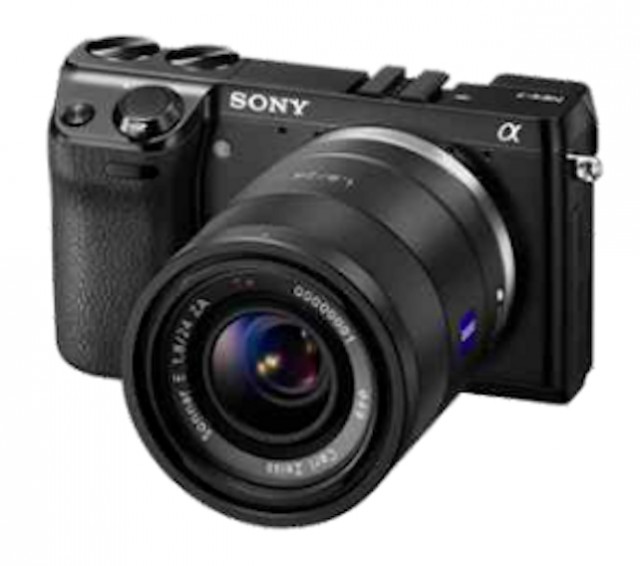
Sony NEX-7

News image
The Sony NEX-7 is a 24.3-megapixel compact system camera with an eye-level electronic viewfinder, responsive autofocus and world’s shortest shutter lag. Using the same Exmor APS HD sensor as the Sony A77 and A65 “SLT” cameras, the Sony NEX-7 offers a combination of ultra-high resolution and a sensitivity range of ISO 100-16000. The NEX-7 also features quick, easy control over creative settings via an intuitive new TRINAVI control. Two control dials on the top of the camera are complemented by a control wheel. Pushing the navigation button cycles quickly through various shooting modes, allowing enthusiasts to make adjustments swiftly and easily. The NEX-7 is also the world’s first compact camera that features an XGA OLED electronic viewfinder with approximately 100% frame coverage. In speed priority mode, the NEX-7 captures fast-moving action at up to 10fps (though AF performance remains to be seen). The NEX-7 introduces an Auto-lock Accessory Shoe that supports accessories including HVL-F58AM, F43AM and F20AM Flash, the HVL-MT24AM Macro Twin Flash Kit and CLM-V55 Clip-on LCD Monitor. Also capable of shooting full HD video at either 50fps or 25fps, the Sony NEX-7 will be available from November for about £1000/$1200. A kit comprising the NEX-7 camera and Sony E 18-55mm zoom lens will also be offered, for £1100/$1350.
Sony Press Release
Sony introduces the NEX-7: all-in-one compact interchangeable lens camera with 24.3 megapixel resolution
Supreme imaging plus pro performance and handling coupled with creative options
24.3 effective megapixels Exmor APS HD CMOS sensor
Quick, responsive autofocus and world’s fastest (0.02 sec) release time lag
Quick, versatile new TRINAVI control
High-resolution XGA OLED Tru-Finder™ and built-in flash
Full HD Movie with 50p/25p, manual focus, full P/A/S/M exposure control and improved audio
10fps continuous shooting (Speed priority mode)
Sony takes pro-quality imaging and creative options to new extremes with the easy to use α NEX-7. Styled in magnesium alloy for strength and premium looks, the NEX-7 weighs a travel-friendly approx. 291g (camera body only).
The NEX-7 features a newly-developed Exmor APS HD CMOS sensor with 24.3 effective megapixel resolution that’s teamed with the latest revision of Sony’s BIONZ image processing engine.
This unique combination of sensor and processor assures ultra-rapid shooting responses, plus flawless image quality with ultra-low noise when shooting still images or Full HD video. Extending from ISO 100-16000, the ultra-high sensitivity range makes it easy to capture clean, low-noise images in dimly lit interiors or at dusk.
Responses are accelerated further by a shutter release lag of just 0.02 seconds – the fastest of any interchangeable lens digital camera in the world. Quick, precise AF is enhanced by new Object Tracking that keeps accurate focus lock on a selected target, even when it’s moving in the frame.
The NEX-7 offers quick, easy control over creative settings via an intuitive new TRINAVI control. Two control dials on the top of the camera are complemented by a control wheel. Pushing the navigation button cycles quickly through various shooting modes, allowing enthusiasts to make custom adjustments and control images with the flexibility of a DSLR camera.
The NEX-7 is also the world’s first compact camera that features an XGA OLED TruFinder™ for precision framing and focusing. This precision electronic viewfinder gives a bright, detail-packed, high contrast view of still images and video, with approximately 100% frame coverage and a wide field of view to rival pro-grade optical viewfinders. On-screen grid lines and a level gauge can be displayed to assist with accurate framing.
The XGA OLED Tru-Finder™ is complemented by a 7.5 cm (3.0”) Xtra Fine LCD that can be angled up to 90° up or 45º down for easy viewing in any shooting position. TruBlack technology assures superb detail and contrast with dramatically reduces on-screen reflections.
At the touch of a button, the NEX-7 shoots smooth AVCHD Full HD movies with high-quality stereo sound. Support for the new AVCHD Progressive (Ver. 2.0)* format also allows users to select 50p or 25p frame rates for beautifully smooth, detailed video footage. As with stills shooting, Object Tracking allows a target object to be selected for accurate tracking AF, even when the subject is moving.
Manual focus is now possible during video shooting. Enthusiasts can also enjoy full control over creating the perfect video image with Programme, Aperture/Shutter Priority and all-Manual modes (PASM). Stereo audio quality is improved, with revised circuitry that lowers noise levels, especially when shooting quiet scenes.
In speed priority mode, the NEX-7 captures fast-moving action at up to 10fps – the world’s fastest burst shooting speed of any mirrorless interchangeable lens camera.
First introduced on the NEX-C3, Picture Effect simplifies the production of sophisticated artistic effects ‘in camera’, with no PC or post-processing needed. There are now 11 modes and 15 effects, including new HDR Painting, Soft Focus, Miniature and Rich-Tone Mono. A generous palette of other artistic imaging functions includes 3D Sweep Panorama, Soft Skin, Auto HDR, Handheld Twilight and Anti Motion Blur Modes.
The NEX-7 introduces an Auto-lock Accessory Shoe, a first for E-mount cameras. Widening opportunities for advanced shooting applications, the shoe supports accessories including HVL-F58AM, F43AM and F20AM Flash, the HVL-MT24AM Macro Twin Flash Kit and CLM-V55 Clip-on LCD Monitor.
Lenses and accessories
The world’s first mount adaptor with built-in Translucent Mirror Technology™, the optional Mount Adaptor LA-EA2 allows phase-detection AF with almost all of the A-mount lenses for both still image and video shooting.
The LCS-ELC7 Soft Carrying Case combines a closely-fitting body case and lens jacket in genuine leather to protect camera body and lens from scratches and dust, is released exclusively for NEX-7. It’s complemented by the STP-XH70 shoulder strap in the same material.
The α NEX-7 ultra-compact interchangeable lens digital camera by Sony is available from November 2011.

Sony NEX-5N

News image
The Sony NEX-5N is a new compact system camera with a resolution of 16.1 megapixels, responsive auto focus, world’s shortest shutter lag and 1080p/50fps video recording capability. Doubled signal readout speeds and more efficient processing have resulted in an AF that is significantly faster than the current NEX-5 model, Sony claims. Maximum sensitivity is also boosted to ISO 25600, the highest among mirrorless interchangeable-lens cameras. Stereo audio quality is improved, with revised circuitry that lowers wind noise levels, especially when shooting quiet scenes. Like the also-new Sony NEX-7, the NEX-5N offers a speed priority mode in which the camera can capture full-resolution photographs at up to 10fps. Unlike that camera, the Sony NEX-5N has no eye-level EVF and comes with a Photo Creativity Touch interface rather than the wheel-and-dial-based UI of the higher specified model. Priced at $600, the NEX-5N will be available from September. The camera will also be offered in a kit with the existing Sony E 18-55mm zoom lens, for about $700.
In the UK, the Sony NEX-5N will be available in a bundle with either the Sony E 18-55mm or the Sony E 16mm f/2.8 lens from September, priced at £600 and £700 respectively. A double-zoom kit, comprising the Sony NEX-5N camera body and the 18-55mm as well as the new 55-210mm lens, will be offered from November for £800. Sony UK is not planning to sell the NEX-5N as a body-only option.
Sony Press Release
Ultra-responsive, compact, NEX-5N camera from Sony with 16.1 megapixels and Full HD 50p video
World’s fastest release time lag and quick, responsive autofocus
16.1 effective megapixels Exmor APS HD CMOS sensor and new BIONZ processor enabling ISO 25600 high sensitivity
Full HD Movie with 50p/25p, manual focus, full P/A/S/M exposure control and improved audio
Tilt-angle 7.5cm (3”) Xtra Fine LCD touch-screen and easy-to-use Photo Creativity interface
10 fps continuous shooting (In Speed Priority Continuous mode)
Styled in magnesium, just 23.3mm slim (Distance from front of body to LCD monitor screen surface)
Drawing on the positive acceptance of the digital camera NEX-5, the new α NEX-5N from Sony has advanced further and offers the superb responsiveness, image quality, and creative possibilities of a DSLR camera with less to carry.
Styled in tough, light magnesium alloy and just 23.3mm at the slimmest point, the NEX-5N evolves the sleek, minimalist design of the acclaimed NEX-5. It’s also a step forward from its predecessor in terms of still image and HD video quality, powerful creative features and easy operation.
Responses are accelerated further by a release time lag of approx. 0.02 seconds1: the fastest of any interchangeable lens camera in the world. This, combined with an improved AF algorithm which doubled the readout speed from the image sensor and more efficient image processing, results in an AF that is significantly faster than the current NEX-5 model.
The camera’s Exmor APS HD CMOS sensor with 16.1 effective megapixel resolution is partnered by a specially-optimised version of the powerful BIONZ image processing engine. This combination of sensor and processor ensures exceptionally clean, low noise images. Maximum sensitivity is also boosted to ISO 25600, the highest among mirror-less interchangeable lens cameras, allowing very high quality handheld shooting in low light conditions.
At the touch of a button, the NEX-5N shoots smooth AVCHD ver. 2.0 (Progressive) Full HD movies with high-quality stereo sound at 50p - a world first for interchangeable lens cameras with an APS-C size sensor. Faster readout from the sensor increases the maximum frame rate to 60 fps over the previous 30 fps. When shooting at the 24p setting, movies achieve a beautifully expressive, artistic feel. As with stills shooting, Tracking Focus allows a target object to be selected via the touch-screen for accurate focusing, even when the subject is moving.
Photographers can also enjoy full control over exposure, when shooting video, with Programme, Aperture/Shutter Priority and all-Manual modes (PASM) – just like a DSLR camera. Stereo audio quality is improved, with revised circuitry that lowers wind noise levels, especially when shooting quiet scenes.
The NEX-5N is the first E-mount interchangeable lens camera from Sony that features an intuitive new Photo Creativity Touch interface. Background Defocus, Exposure, Picture Effect and other adjustments can be previewed, applied and combined in an instant via the LCD touch panel and control dial, with no photo jargon to confuse newcomers.
First introduced on the NEX-C3, Picture Effect simplifies the production of sophisticated artistic effects ‘in camera’, with no PC or post-processing needed. There are now 11 modes and 15 effects, including new HDR Painting, Soft Focus, Miniature, Rich-Tone Monochrome and Soft High-key. A generous palette of other artistic imaging functions includes 3D Sweep Panorama, Soft Skin, Auto HDR, Handheld Twilight and Anti Motion Blur Modes.
In Speed Priority Continuous mode, the NEX-5N captures fast-moving action at up to 10 fps (actual speed depends on shooting conditions and memory card performance). This represents the world’s fastest burst shooting speed of any mirrorless interchangeable lens camera2.
The camera’s 7.5 cm (3.0”) Xtra Fine LCD angles up to 80° up or 45º down for easy viewing in any shooting position. TruBlack technology assures superb detail and contrast with dramatically reduces on-screen reflections. Enhanced by the new Photo Creativity Touch interface, the LCD makes composition, shot review and adjustment of camera settings easier and more flexible than ever.
Lenses and accessories
The growing choice of E-mount lenses compatible with all α NEX cameras now includes the new Carl Zeiss Sonnar T* E 24mm F1.8 ZA, E 50mm F1.8 OSS and long-awaited Telephoto zoom E 55-210mm F4.5-6.3 OSS.
The world’s first mount adaptor with built-in Translucent Mirror Technology™, the optional Mount Adaptor LA-EA2 allows phase-detection AF with almost all of the A-mount lenses for both still image and video shooting. Also available, the optional Electronic Viewfinder FDA-EV1S, XGA OLED Tru-Finder™ offers high resolution/contrast and wide viewing angle.
Also new in the range of accessories, the stylish Body Case (LCS-EB50) and Lens Jacket (LCS-EL50) protect the camera and lens from scratches, the Shoulder Strap (STP-XS3) fits tightly to body with its quick fit structure and the Soft Carrying Case (LCS-EMF) holds the E-mount camera body with attached lens as well as an additional lens or other accessories.
The α NEX-5N ultra-compact interchangeable lens digital camera by Sony is available from September 2011.

Carl Zeiss Sonnar T* E 24mm f/1.8 ZA

News image
The Carl Zeiss Sonnar T* E 24mm f/1.8 ZA is a new, ultra-bright moderate wide-angle lens for the Sony NEX system. Featuring a very fast maximum aperture and a near-circular diaphragm with 7 blades, the Carl Zeiss Sonnar T* E 24mm f/1.8 ZA is capable of producing wide-angle images with good subject isolation and pleasing bokeh. Sony’s DMF technology allows for direct manual focusing after autofocus lock-on without having to switch modes. The suggested retail price is $999.99.

Sony E 50mm f/1.8 OSS

News image
The new Sony E 50mm f/1.8 OSS is the world’s fastest interchangeable lens with integrated image stabilisation. Designed as a short telephoto prime for the Sony NEX system the Sony E 50mm f/1.8 OSS has an angle of view of 32 degrees and a 7-bladed circular aperture diagram for a pleasing rendition of out-of-focus backgrounds. Priced at $299.99, the lens will be available to Sony NEX users in December.

Tamrac ZUMA Series Camera Bags

News image
ZUMA is the latest series of bags from Tamrac. The Zuma 2 Day Bag is a superslim, vertical-style day bag, the Zuma 4 is a compact, fast-access shoulder bag, and the Zuma 7 is a highly mobile, fast-access backpack. The Zuma 2 costs £57.99, the Zuma 4 £131.99, and the Zuma 7 £164.99.
Tamrac Press Release
ZUMA– the latest series of bags from Tamrac
Tamrac is proud to introduce the new ZUMA Series Camera Bags, each bag carries the iPad (or other 10” screen Netbooks), a camera and accessories and features numerous pockets that organise imaging accessories such as phones, adaptors, memory cards, batteries and chargers.
Zuma 2
The Zuma 2 Day Bag is a superslim, vertical-style day bag with a multitude of thoughtfully designed pockets to ensure that you always have what you need. The main compartment is completely foam padded and is perfect for holding and protecting an iPad or other 10” screen Netbook. Inside the front pocket are three pockets to hold small adaptors memory cards and extra batteries. There are also two pockets for larger items like a fixed lens camera, portable hard drive, or Mini Tripod. Apple’s wireless keyboard fits inside a special sleeve in the front pocket. When traveling light and carrying your essentials every day, the Zuma 2 Day Bag is the perfect choice.
Zuma 4
The Zuma 4 is a compact, fast-access shoulder bag for the DSLR photographer carrying a camera body, an extra lens or two, a flash, an iPad or 10” Netbook and a host of accessories. A reverse-opening top opens away from the body for fast access to the main compartment that holds a standard DSLR with up to a 61⁄2” lens attached, a flash, and 1 or 2 extra lenses, On the front, a foam-padded compartment is perfect for carrying the iPad or other 10” Netbook. Apple’s wireless keyboard fits in a special sleeve in this compartment.
The front accessory pocket has pockets inside to organize small adaptors, memory cards and extra batteries. There are also three additional pockets for securing larger items like a fixed lens camera, phone or iPod. Both sides have a mesh pocket for items like a mini tripod or a water bottle. A removable rain cover is included.
Zuma 7 Backpack
The Zuma 7 is a highly mobile, fast-access backpack perfect for carrying a DSLR, several lenses, a flash, an iPad (or other 10” screen Netbook), Mini Tripod and all the necessary accessories.  The Zuma 7 holds a standard DSLR with up to a 6½” lens attached, extra lenses and a flash.  Inside the front door, a foam-padded pocket holds the iPad or other 10” screen Netbook. There are three ways to access your photo equipment using Tamrac’s Triple Access System™.  When wearing the pack, just slip off one shoulder strap and swing the pack around to your front.  Unzip the side door, pull out your camera with lens attached, and you’re ready to shoot.  To access your gear on the other side of the pack, zip the side door closed, swing the pack around to your other shoulder, and open the other side door.  Gear can also be accessed through the front panel when the pack is removed. A removable rain cover is included.
Each bag is available in black and is available immediately.
Suggested retail prices as follows:
Zuma 2 £57.99 including VAT
Zuma 4 £131.99 including VAT
Zuma 7 Backpack £164.99 including VAT

ZUMA è l'ultima serie di borse da Tamrac. I 2 Day Bag Zuma è una, Ultrasottile e verticale in stile borsa giorno, la Zuma 4 è un compatto, rapido accesso borsa a tracolla, e il Zuma 7 è una forte mobilità, accesso rapido zaino. Il Zuma 2 costa £ 57,99, l'Zuma 4 £ 131,99, e il Zuma 7 £ 164,99.
Tamrac Comunicato Stampa
ZUMA-l'ultima serie di borse da Tamrac
Tamrac è orgogliosa di presentare la nuova fotocamera della serie ZUMA Borse, ogni borsa porta la iPad (o di altri 10 "schermo netbook), una macchina fotografica e gli accessori e le caratteristiche numerose tasche che organizzano gli accessori di imaging, come i telefoni, adattatori, schede di memoria, batterie e caricabatterie .
Zuma 2
I 2 Day Bag Zuma è una, Ultrasottile e verticale in stile borsa giornata con una moltitudine di tasche studiati per essere certi di avere sempre quello che ti serve. Lo scomparto principale è completamente imbottito in schiuma ed è perfetto per contenere e proteggere un iPad o altri "netbook schermo da 10. All'interno della tasca anteriore sono tre tasche per contenere piccole schede di memoria adattatori e batterie aggiuntive. Ci sono anche due tasche per gli oggetti più grandi come una macchina fotografica obiettivo fisso, hard disk portatili, o Mini Treppiedi. Tastiera wireless di Apple si inserisce all'interno di un manicotto speciale nella tasca anteriore. Quando si viaggia la luce e portare le vostre cose ogni giorno, il 2 Day Bag Zuma è la scelta perfetta.
Zuma 4
Il Zuma 4 è un compatto, rapido accesso borsa a tracolla per il fotografo DSLR portando un corpo macchina, un obiettivo supplementare o due, un flash, un iPad o 10 "netbook e una miriade di accessori. Una inversione di apertura superiore si apre lontano dal corpo per un rapido accesso al vano principale che contiene una DSLR standard fino ad un 61 / 2 "obiettivo montato, un lampo, e 1 o 2 lenti in più, sul fronte, una schiuma- scomparto imbottito è perfetto per portare il iPad o altri "netbook 10. Tastiera wireless di Apple si inserisce in un manicotto speciale in questo comparto.
La tasca anteriore è accessorio tasche interne per organizzare piccoli adattatori, schede di memoria e batterie aggiuntive. Ci sono anche tre tasche aggiuntive per proteggere gli oggetti più grandi come una macchina fotografica obiettivo fisso, telefono o iPod. Entrambe le parti hanno una tasca in rete per gli oggetti come un treppiede mini o una bottiglia d'acqua. Un coperchio removibile pioggia è incluso.
Zuma 7 Zaino
Il Zuma 7 è altamente mobile, accesso rapido zaino ideale per trasportare una reflex digitale, obiettivi diversi, un flash, un iPad (o altri "netbook schermo da 10), Mini Treppiedi e tutti gli accessori necessari. Zuma La 7 ha una reflex digitale di serie con un massimo di un 6 ½ "obiettivo montato, lenti supplementari e un flash. All'interno della porta d'ingresso, una schiuma-imbottita tasca tiene il iPad o altro 10" Netbook schermo. Ci sono tre modi per accedere alla vostra attrezzatura foto utilizzando Tamrac il Triplo ™ Access System. Quando si indossa il pacco, solo sfilare uno tracolla e swing il pacchetto attorno al vostro fronte. Decomprimere la porta laterale, tirare fuori la macchina fotografica con obiettivo montato, e siete pronti a sparare. Per accedere alla marcia sul lato della confezione, cerniera della porta lato chiuso, altalena il pacco intorno alla vostra spalla, e aprire la porta dall'altra parte. Gear si può accedere anche tramite il pannello frontale quando il pacchetto viene rimosso. Un coperchio removibile pioggia è incluso.
Ogni borsa è disponibile in nero ed è disponibile immediatamente.
Prezzi Apple Store come segue:
Zuma 2 £ 57,99 IVA inclusa
Zuma 4 £ 131,99 IVA inclusa
Zuma 7 Zaino £ 164,99 IVA inclusa

Nissin Di622 for Sony

News imageThe Nissin Di622 Mark 11 Speedlight flashgun is now available with a Sony fit. The Mark 11 model features a number of improvements over the original Mark I, including wireless TTL, and MY TTL. The Nissin Di622 also comes with an external X Sync Socket. Sony, Canon and Nikon models of the Nissin Di622 Mark 11 are available now, priced at £224.95. Kenro Press Release Nissin Di622 now available for Sony users Kenro has announced that the Nissin Di622 Mark 11 Speedlight launched in September 2010, is now available with a Sony fit. The Mark 11 model features a number of improvements over the original Mark I, including wireless TTL, and MY TTL. The unit also comes with a useful external X Sync Socket. Another feature of the Mark II is the way exposure compensation is controlled. It is now easy to adjust this via the back panel on the flash. The Nissin Di622 Mark 11 is a high power flash unit, with a guide number of 62 (metres) at ISO200 with the reflector in the 105mm position. It is powered by four AA batteries and boasts a recycling time of just 5 seconds with new batteries. The Slave facility on the Di622 Mark 11 synchronises to pre-flash systems, traditional single flash and to wireless remote flash systems. Kenro managing director Paul Kench commented on the launch: “I am delighted that this upgraded version is now available to Sony users, I am sure they will appreciate its great features combined with a convenient price point.” In addition to the new Sony fit, the unit also comes with either Canon or Nikon fittings. All models are available now, with an RRP of £224.95. To find your local Nissin stockist go to the Kenro website, http://www.kenro.co.uk or contact the sales team on sales@kenro.co.uk or 01793 615836. La Nissin Di622 Mark 11 lampeggiatore lampeggiatore è ora disponibile con un attacco Sony. Il Mark 11 modello presenta una serie di miglioramenti rispetto alla originale di Mark I, anche wireless TTL, e MY TTL. La Di622 Nissin viene fornito con un esterno Socket X Sync. Sony, Canon e Nikon modelli della Nissin Di622 Mark 11 sono già disponibili, al prezzo di 224,95 £. Kenro Comunicato Stampa Nissin Di622 ora disponibile per gli utenti Sony Kenro ha annunciato che la Nissin Di622 Mark 11 lampeggiatore lanciato nel settembre 2010, è ora disponibile con un attacco Sony. Il Mark 11 modello presenta una serie di miglioramenti rispetto alla originale di Mark I, anche wireless TTL, e MY TTL. L'unità viene fornito con un utile esterno Socket X Sync. Un'altra caratteristica del Mark II è il modo in cui viene controllata la compensazione dell'esposizione. Ora è facile da regolare questo tramite il pannello posteriore sul flash. La Nissin Di622 Mark 11 è un alto flash di potenza, con un numero guida di 62 (metri) a ISO200 con il riflettore in posizione di 105mm. E 'alimentato da quattro batterie AA e vanta un tempo di ricarica di soli 5 secondi con batterie nuove. La struttura slave sul Mark Di622 11 sincronizza al pre-flash sistemi tradizionali singolo flash e di sistemi wireless flash remoto. Kenro amministratore delegato Paolo Kench commentato il lancio: "Sono felice che questa versione aggiornata è ora disponibile per gli utenti Sony, sono sicuro che apprezzeranno le sue caratteristiche eccellente abbinato a un prezzo conveniente." Oltre ai requisiti di onorabilità nuovo Sony, l'unità viene fornito con due raccordi Canon o Nikon. Tutti i modelli sono disponibili da subito, con un prezzo consigliato di 224,95 £. Per trovare il rivenditore locale Nissin visitare il sito web Kenro, http://www.kenro.co.uk o contattare il team di vendita sul sales@kenro.co.uk 01.793 o 615.836.

mercoledì 24 agosto 2011

Il tutorial di fotografia panoramica di 3Exposure

Huntington Beach Panorama from RHED Pixel on Vimeo.


A Richard Harrington di 3Exposure piace complicarsi la vita: così è andato ad Huntington Beach, in California, e ha scattato una serie di foto panoramiche, e fin lì tutto bene. Ma c’erano una serie di elementi che rischiavano di rendere la postproduzione e l’unione degli scatti in un’unica immagine un inferno.
Tanti soggetti in movimento e mancanza di un cavalletto, in primis. Per quel che riguarda gli scatti, spiega di avere impostato la macchina in priorità diaframmi, e scattato in Raw - per avere più margine di intervento in Photoshop per quel che riguarda l’esposizione - due foto per ogni inquadratura, variando l’esposizione.
E poi? Poi è andato a casa e ha postprodotto le immagini, unendole in una foto panoramica di grande effetto. È estate, magari anche a voi è capitato di fare qualche serie simile: perché non pensare di unirle in una panoramica come quella di Huntington Beach? Il “come” lo spiega sempre Harrington nel tutorial che trovate qui sopra.
Via | 3Exposure

Fotografare in montagna, sette consigli di Improve Photography

Ieri il mare, con la foto panoramica di Richard Harrington ad Huntington Beach, oggi la montagna, con qualche consiglio di Improve Photography. Sono sette le “dritte” che ci passa: la 1) non fissatevi sul “momento magico” se siete in montagna. Il momento magico di solito è quella manciata di minuti intorno l’alba e intorno al tramonto. Quel momento magico potrebbe non esserci del tutto e voi avere aspettato per nulla. Poi 2) portatevi dietro un filtro a densità neutra - in alcune condizioni di luce può essere utile ad esempio per scurire un cielo troppo chiaro, e ancora 3) in certi scatti controluce, estrema attenzione alle ombre - meglio che osserviate l’immagine che hanno pubblicato, spiega tutto meglio di tante parole.
Passiamo al punto 4) Se dovete camminare parecchio, magari in montagna, serve attrezzatura adeguata, per cui non quel cavalletto bello stabile che vi piace tanto, ma pesa magari qualche chilo di troppo. Punto 5) una vista mozzafiato, un orizzonte di chilometri e chilometri davanti a voi, non sempre corrisponde a una bella fotografia.
Questione di composizione, come spiega IP, punto 6) dove si raccomanda l’importanza di un elemento di primo piano in grado catalizzare l’attenzione. Missione non così semplice in montagna, e poi buon ultimo, il punto 7) che si può riassumere così: cercate di prendere l’intera scena nella vostra senza che l’occhio di chi guarderà la foto cerchi qualcosa che esce dall’inquadratura.
  
Via | Improve Photograpy

Food Photography tecnica, trucchi e attrezzatura

La food photography è una “specializzazione” della fotografia still life, volta a produrre immagini interessanti di cibo per l’utilizzo in pubblicità, menu, libri di cucina. Ecco alcuni consigli utili da photojojo:
- Scegliete una composizione che non distragga dal cibo, come un semplice sfondo uniforme o una tovaglia.
- Usate piatti il ​​cui colore contrasti con il cibo, mai piatti che siano dello stesso colore.
- Utilizzate un diaframma più aperto per sfocare lo sfondo.
- Usate la luce naturale ogni volta che potete. Il set-up ideale è accanto a una grande finestra con una tenda bianca per diffondere la luce.
- Imparate ad usare il bilanciamento del colore. Soprattutto nelle situazioni in cui la luce naturale non è disponibile, le foto possono presentare una dominante gialla o blu che rende il cibo terribile all’aspetto. Utilizzate l’impostazione del bilanciamento del bianco sulla fotocamera, o regolare il colore in post produzione.
Dopo il salto un paio di video interessanti…
Foto | Flickr

Nikon D7000 vince il premio EISA Advanced DSLR Camera Award

Nikon D7000
La Nikon D7000 ha vinto il premio EISA (European Imaging and Sound Association), e nel mese di aprile di quest’anno la D7000 ha vinto anche il TIPA Awards 2011′s Best D-SLR Advanced, presentato dalla Technical Image Press Association, così come il “red dot award: product design 2011″. Per chi non conoscesse EISA è l’associazione delle 50 più grandi riviste di foto, video, audio, home theater e telefonia mobile pubblicate in Europa. Ogni anno EISA seleziona i migliori modelli rilasciati durante lo scorso anno in Europa divisi per settore.
Qui potete vedere i premi EISA dello scorso anno: Premi EISA 2010/2011. Questo il commento dell’EISA:
“La D7000 ha un corpo solido ed offre un’elevata velocità di messa a fuoco automatica, un luminoso LCD da 3 pollici, integrato sistema Dust Reduction, doppio slot per schede SDXC e video in Full HD. Un eccezionale sistema di controllo del rumore, il sensore da 16,2 milioni di pixel può essere spinto fino a 6400 ISO e offrire immagini di alta qualità e nitide - anche a Hi 1 (equivalente ISO 12800), il rumore non è più un grosso problema. “
Nikon D7000
Nikon D7000Nikon D7000Nikon D7000Nikon D7000
Via | Photoxels

domenica 21 agosto 2011

Lastolite Brolly Grip

News image

The Lastolite Brolly Grip is a new light modifier for the photographer who needs to be mobile. The Brolly Grip is a unique, hand held bracket which supports the flashgun in a horizontal position along the shaft of an umbrella. The Brolly Grip Handle and the Brolly Grip Kit with Translucent Umbrella are available now at SRP £20 and £30 inc respectively.
Lastolite Press Release
Lastolite Announce New Brolly Grip
August 18th 2011, Lastolite Limited, the world’s leading manufacturer of backgrounds and lighting control systems for the photo, video and cinema industry, has announced the launch of the new Brolly Grip.
The new Brolly Grip is the ultimate light modifier for the photographer who needs to be mobile. The Brolly Grip is a unique, hand held bracket which supports the flashgun in a horizontal position along the shaft of an umbrella. Also available to buy in a kit, in which a 20” translucent umbrella is included to create a compact, quick to assemble ‘shoot through’ solution for photographers.
Main Features and Benefits:
1. Ultra compact
2. Flashgun close to umbrella shaft
3. Hand held or used on a stand
Pricing and Availability:
The Brolly Grip Handle and the Brolly Grip Kit with Translucent Umbrella are available now at SRP £20 and £30 inc respectively.
For stockist information, please see: http://www.lastolite.com/distributors.php
Email:sales@lastolite.com
Telephone: 01530 832570
About Lastolite:
Lastolite are world leading manufacturers of backgrounds and lighting control equipment for the photographic and video industries.
Established in 1985, the company started out with just a handful of employees and one product, the original ‘pop up’ circular reflector. Today the company employs over 100 people, operates from a 60,000 sq.ft. manufacturing facility and offers a comprehensive range of innovative, award winning products to over 60 countries worldwide.
Photography on the move and innovation are in the company’s heart. Lastolite hold a number of worldwide patents for their products and their ongoing investment into research and development enables them to continue delivering ground breaking products to the market.
In 2009, Lastolite founded the Lastolite School of Photography. Lastolite’s strategy for the School of Photography is to provide FREE OF CHARGE video and written tutorials for photographers on a monthly basis, building an ‘industry leading’ library of tutorials for existing users and photographers looking to buying one of their products.
For more information, please see:
Lastolite School of Photography
For all information on Lastolite products please see: http://www.lastolite.com

Tamrac ZUMA Series Camera Bags

News image
ZUMA is the latest series of bags from Tamrac. The Zuma 2 Day Bag is a superslim, vertical-style day bag, the Zuma 4 is a compact, fast-access shoulder bag, and the Zuma 7 is a highly mobile, fast-access backpack. The Zuma 2 costs £57.99, the Zuma 4 £131.99, and the Zuma 7 £164.99.
Tamrac Press Release
ZUMA– the latest series of bags from Tamrac
Tamrac is proud to introduce the new ZUMA Series Camera Bags, each bag carries the iPad (or other 10” screen Netbooks), a camera and accessories and features numerous pockets that organise imaging accessories such as phones, adaptors, memory cards, batteries and chargers.
Zuma 2
The Zuma 2 Day Bag is a superslim, vertical-style day bag with a multitude of thoughtfully designed pockets to ensure that you always have what you need. The main compartment is completely foam padded and is perfect for holding and protecting an iPad or other 10” screen Netbook. Inside the front pocket are three pockets to hold small adaptors memory cards and extra batteries. There are also two pockets for larger items like a fixed lens camera, portable hard drive, or Mini Tripod. Apple’s wireless keyboard fits inside a special sleeve in the front pocket. When traveling light and carrying your essentials every day, the Zuma 2 Day Bag is the perfect choice.
Zuma 4
The Zuma 4 is a compact, fast-access shoulder bag for the DSLR photographer carrying a camera body, an extra lens or two, a flash, an iPad or 10” Netbook and a host of accessories. A reverse-opening top opens away from the body for fast access to the main compartment that holds a standard DSLR with up to a 61⁄2” lens attached, a flash, and 1 or 2 extra lenses, On the front, a foam-padded compartment is perfect for carrying the iPad or other 10” Netbook. Apple’s wireless keyboard fits in a special sleeve in this compartment.
The front accessory pocket has pockets inside to organize small adaptors, memory cards and extra batteries. There are also three additional pockets for securing larger items like a fixed lens camera, phone or iPod. Both sides have a mesh pocket for items like a mini tripod or a water bottle. A removable rain cover is included.
Zuma 7 Backpack
The Zuma 7 is a highly mobile, fast-access backpack perfect for carrying a DSLR, several lenses, a flash, an iPad (or other 10” screen Netbook), Mini Tripod and all the necessary accessories. The Zuma 7 holds a standard DSLR with up to a 6½” lens attached, extra lenses and a flash. Inside the front door, a foam-padded pocket holds the iPad or other 10” screen Netbook. There are three ways to access your photo equipment using Tamrac’s Triple Access System™. When wearing the pack, just slip off one shoulder strap and swing the pack around to your front. Unzip the side door, pull out your camera with lens attached, and you’re ready to shoot. To access your gear on the other side of the pack, zip the side door closed, swing the pack around to your other shoulder, and open the other side door. Gear can also be accessed through the front panel when the pack is removed. A removable rain cover is included.
Each bag is available in black and is available immediately.
Suggested retail prices as follows:
Zuma 2 £57.99 including VAT
Zuma 4 £131.99 including VAT
Zuma 7 Backpack £164.99 including VAT

Come scegliere una macchina fotografica: proviamo con Snapsort


Snapsort è uno strumento online che ci permette di trovare la fotocamera che più si adatta alle nostre esigenze.
Snapsort è stato recentemente rinnovato e si propone di offrire la migliore decisione d’acquisto quando si tratta di fotocamere. È stata appena inserita la sezione “recommend” , dove vi sono innumerevoli opzioni per trovare la macchina fotografica che si desidera, senza nemmeno sapere il modello o la marca, semplicemente scrivendo quello che volete.
Per iniziare si può scegliere il tipo di fotocamera, da una compatta classica a una fotocamera reflex senza specchi. È possibile quindi fare una ricerca per marca, prezzo, dimensioni, lente, funzionalità video e tanti altri parametri.
Forse l’opzione più interessante è il prezzo, attraverso un dispositivo di scorrimento che consente di gestire il vostro budget e di variare tale importo. Se siete in dubbio su cosa comprare, non dimenticate di visitare il sito!
Via | ALTFoto

sabato 13 agosto 2011

Mastering the Nikon D7000

News image
Mastering the Nikon D7000 by Darrell Young is a new title from Rocky Nook. This book guides readers through the camera features with step-by-step setting adjustments; colour illustrations; and detailed how, when, and why explanations for each option. Every button, dial, switch, and menu configuration setting is explored in a user-friendly manner, with suggestions for setup according to various shooting styles. The 496-page volume is available in printed form for $34.95, or as an e-book for just $14.95, through the website below..
Website O’Reilly Books
Press Release
Mastering the Nikon D7000—New from Rocky Nook
Santa Barbara, CA — Mastering the Nikon D7000 (Rocky Nook, $34.95 USD) by Darrell Young provides a wealth of experience-based information and insights for owners of the new D7000 camera. Darrell is determined to help the user navigate past the confusion that often comes with complex and powerful professional camera equipment.
This book explores the features and capabilities of the camera in a way that far surpasses the user’s manual. It guides readers through the camera features with step-by-step setting adjustments; color illustrations; and detailed how, when, and why explanations for each option. Every button, dial, switch, and menu configuration setting is explored in a user-friendly manner, with suggestions for setup according to various shooting styles.
Darrell’s friendly and informative writing style makes for easy-to-follow directions, and readers will feel as if a friend dropped in to share his knowledge. The learning experience for new D7000 users goes beyond just the camera itself and covers basic photography technique.
About the Author
Darrell Young (DigitalDarrell) is an information technology engineer by trade. He’s been an avid photographer since 1968 when his mother gave him a Brownie Hawkeye camera.
Darrell has used Nikon cameras and Nikkor lenses since 1980. He has an incurable case of Nikon Acquisition Syndrom (NAS) and delights in working with Nikon’s newest digital cameras. Living near Great Smoky Mountains National Park has given him a real concern for, and interest in, nature photography.
He loves to write, as you can see in the Resources area of the Nikonians.org community. He joined the community in 2000 and his literary contributions led to an invitation to become a Founding Member of the Nikonians Writers Guild.
About Rocky Nook
Rocky Nook’s books are distributed internationally by O’Reilly Media.
Rocky Nook was founded in early 2006 in Santa Barbara, California, and is closely associated with dpunkt.verlag, a leading publisher of books on technology based in Heidelberg, Germany. The focus of Rocky Nook’s publications is on digital photography and computing.
About O’Reilly
O’Reilly Media spreads the knowledge of innovators through its books, online services, magazines, and conferences. Since 1978, O’Reilly Media has been a chronicler and catalyst of cutting-edge development, homing in on the technology trends that really matter and spurring their adoption by amplifying “faint signals” from the alpha geeks who are creating the future. An active participant in the technology community, the company has a long history of advocacy, meme-making, and evangelism

Macrofotografia, close-up, microfotografia e accessori obiettivi


Nell’articolo precedente la macrofotografia digitale, obiettivi, trucchi e segreti abbiamo visto la definizione di macrofotografia. Visti i dubbi e le domande di alcuni utenti chiarisco ulteriormente il concetto, è fotografia macro quando il soggetto viene catturato sul sensore in scala 1:1 fino a 10 volte le sue dimensioni originali.
Si definisce invece fotografia close-up un’immagine in cui il soggetto viene catturato sul sensore in dimensioni pari a 1/10 fino a 1/2 della grandezza naturale, spingendo invece il fattore di ingrandimento oltre al 10x si entra nel campo della microfotografia. Ma parliamo ora degli obiettivi e degli accessori legati ad essi. Esistono delle lenti addizionali close-up che si possono montare sull’obiettivo della reflex per incrementare il fattore di ingrandimento, per le fotocamere digitali compatte è invece necessario acquistare degli anelli adattatori.
Si possono anche combinare tra loro più lenti per avere una maggiore capacità di ingrandimento (montate per prima quella con più diottrie) ma all’assemblaggio di più lenti è preferibile l’uso di una lente con maggiore capacità di ingrandimento. Il rovescio della medaglia: devono essere di buona qualità. Altrimenti introducono aberrazioni che influiscono sulla qualità dell’immagine. Le aberrazioni aumentano con l’aumentare delle diottrie e si sommano montando una lente sull’altra. Le migliori sono costituite da doppietti acromatici incollati.

Illuminazione fotografia

www.illuminatori-aef.com Illuminatori per video e fotografia professionali e potenti. Italiani

Leica M

www.otticaspoto.com Rivenditore Autorizzato Leica Leica-Olympus
Le lenti addizionali non assorbono la luce e aumentano l’avvicinamento al soggetto, a differenza dei tubi di prolunga, essi sono privi di lenti, venduti di solito in set da tre pezzi, di diversa lunghezza, con contatti elettrici che permettono all’obiettivo e alla reflex di dialogare tra di loro per il mantenimento degli automatismi di esposizione e autofocus.
Aumentano l’ingrandimento del soggetto incrementando la distanza dell’obiettivo dal sensore, usando tubi più lunghi o unendo più elementi assieme si abbassa la quantità di luce che colpisce il sensore (riduzione della luminosità per un valore di 1-2 diaframmi), è necessario quindi aumentare l’esposizione, tenendo presente che si avrà una maggiore difficoltà nella messa a fuoco perché nel mirino la scena sarà più scura.
Io sconsiglio i tubi di prolunga. A mio avviso se il vostro budget lo permette è ovviamente meglio e consigliabile usare invece di questi accessori gli obiettivi macro, appositamente progettati per questo genere, di solito hanno rapporti di ingrandimento di 0,5X o superiori, gli obiettivi macro possono avere diverse focali e la scelta dipende dal soggetto che si vuole riprendere, ravvicinato o distante.
Foto | Flickr

Come firmare fotografie digitali con Photoshop

Per “marchiare” le proprie immagini digitali, ci sono i watermark. Ma se volessimo inserire la nostra firma sulla foto con Photoshop, per renderla se possibile ancora più “nostra”? Su 3 Exposure c’è un breve tutorial che ci spiega come fare. Per prima cosa, fate la vostra firma. Se avete una tavoletta grafica siete a cavallo, ottimo risultato anche con un foglio di carta e uno scanner, altra alternativa, la sana vecchia riproduzione. Assicuratevi che il tratto sia piuttosto “ciccioso” - usate un pennarello a punta medio larga - perché dopo, più pixel avremo a disposizione per lavorare e meglio sarà.
Digitalizzate la firma: in questo momento più è alta la risoluzione meglio è, ci sarà tempo dopo per rimpicciolire l’immagine. Pulite l’immagine sistemando i livelli, e fate risaltare il nero sullo sfondo bianco. A quel punto salvate due versioni del vostro file: una in cui la vostra firma è nero su bianco, l’altra in cui è bianco su nero.
Ora siete pronti a inserire la vostra firma: dal menu a tendina file, caricate la vostra firma digitale. Ingranditela e rimpicciolitela a piacimento. Quando vi piace, premete il tasto invio: a quel punto il livello sarà diventato uno smart object. Ed ecco pronta per gli ultimissimi ritocchi la nostra firma digitale. Al solito però le immagini valgono più di mille parole: date un’occhiata al post di Richard Harrington in cui spiega come firmare le nostre foto digitali punto per punto.
Via | 3Exposure

giovedì 11 agosto 2011

Il tutorial per fotografare a lunga esposizione di Scott Kelby

Croce e delizia di tanti appassionati, lo scatto a lunga esposizione ha un po’ di segreti: qualcuno prova spiegarlo Scott Kelby nel video sopra. Ottimo fotografo e guru di Photoshop - se non lo conoscete, date un’occhiata al suo Photoshop Insider - Scott ci mostra come scattare una long exposure da manuale. Scott parte dall’abc, ovvero da tre accessori che non potete non avere per scattare una lunga esposizione di giorno. Serve un filtro ND - neutral density - che permetta di abbassare la luminosità - il suo, della B+W, la abbassa di dieci stop - e naturalmente un cavalletto. Inoltre Scott mostra anche il telecomando a filo, utile per ridurre ancora più al minimo i movimenti del corpo macchina - movimenti ovviamente da evitare, se si ragiona in termini di lunga esposizione. A quel punto, si scatta: modalità “bulb”, e via. Il resto lo farà la vostra immaginazione. Via | Photoshop Insider

Come costruire un limbo fotografico in casa?

How to build a cyclorama wall from Sam Robles on Vimeo.

Come costruire un limbo fotografico? Uno sfondo bianco, infinito, dove scattare nel proprio studio? Qui sopra Sam Robles ci mostra il suo, fa le cose davvero in grande, penso che pochi di noi possano permettersi spazi del genere, giusto i professionisti. Anche la bella Ashley, nel video uscito qualche settimana fa su photographer and model fa le cose in grande e costruisce un limbo di medie dimensioni. Video complicato da seguire, soprattutto se si è maschietti (lo trovate dopo il salto). Ma entrambi sono lavori comunque impegnativi. Se volessimo fare qualche esperimento senza spenderci dietro troppo tempo, denaro e fatica? Ho cercato in giro e qualche consiglio si trova su tgw, dove suggeriscono - per un limbo di dimensioni ridotte, rispetto ai due qui sopra - una vecchia tela da proiezioni, un foglio di cartoncino, un lenzuolo ben stirato. Soluzioni artigianali e alla buona, ma che possono farci assaggiare l’effetto di sospensione nel vuoto tipica del fondale bianco. Per un limbo fotografico fatto in casa, senza spendere un capitale, voi come fareste?

La macrofotografia digitale, obiettivi, trucchi e segreti


La macrofotografia è un genere fotografico piuttosto complesso che esige la massima nitidezza e leggibilità dei dettagli e che richiede un’attrezzatura specifica, il rapporto di riproduzione del soggetto è pari o superiore ad 1 (≥ 1:1), cioè quando le dimensioni dell’immagine sul sensore sono pari o superiori alle dimensioni del soggetto su scala reale.
Uno dei problemi più grossi nella macrofotografia è l’uniforme illuminazione del soggetto. Una normale lente con distanza focale macro (50 mm su una fotocamera full frame) può mettere a fuoco così vicino che l’illuminazione può risultare difficoltosa. Per evitare questo problema, molti fotografi usano teleobiettivi macro, in genere con lunghezze focali dai 100 ai 200 mm.
Questi sono molto popolari in quanto consentono una distanza sufficiente per l’illuminazione tra la fotocamera e il soggetto. I Flash ad anello possono essere utili per l’illuminazione a distanza ravvicinata. Esistono anche delle luci ad anello con LED bianchi per fornire una fonte di luce continua per la macrofotografia. E gli obiettivi?

Illuminazione fotografia

www.illuminatori-aef.com Illuminatori per video e fotografia professionali e potenti. Italiani

X-Lite Helmet Outlet Shop

www.FC-Moto.de/X-Lite-Helmet-Shop X-Lite X-802, X-602, X-701 Helme X-lite X-1002 , X-501 , X-Pilot
Gli obiettivi macro a seconda delle lunghezze focali vengono impiegati in modo diverso nella macrofotografia:
45-65 mm - fotografia di prodotti e oggetti di piccole dimensioni.
90-105 mm - insetti, fiori e piccoli oggetti da una comoda distanza.
150-200 mm - insetti e altri piccoli animali in cui è necessario lavorare a distanza.
In Italia abbiamo un fotografo di notevole valore nel campo della macrofotografia naturalistica, ovvero Simone Tossani, se non lo conoscete c’è una sua scheda sul sito di NPS Italia e qualche scatto.
A domande come “Ma qual è l’obiettivo adatto alla macro? È meglio una focale lunga o una focale corta? L’autofocus è davvero necessario? E lo stabilizzatore d’immagine? Meglio il flash o la luce naturale?” risponde lui stesso in un suo articolo molto completo e dettagliato presente sul suo sito in cui spiega tutto sulla macrofotografia in digitale


The macro is a rather complex photographic genre that demands the utmost sharpness and clarity of details and requires specific equipment, the reproduction ratio of the subject is equal to or greater than 1 (≥ 1:1), ie when the size of ' image on the sensor are at or above full-scale size of the subject.
One of the biggest problems in the macro is the uniform illumination of the subject. A standard macro lens with a focal length (50 mm on a full frame camera) can focus so close that lighting can be difficult. To avoid this problem, many photographers use telephoto macro, typically with focal lengths from 100 to 200 mm.
These are very popular as they allow sufficient distance for lighting between the camera and the subject. The ring flash can be useful for lighting at close range. There are also ring lights with white LEDs to provide a source of continuous light for macro photography. And the objectives?

Photography Lighting

www.illuminatori aef.com- Illuminators for professional and powerful video and photography. Italian

X-Lite Helmet Outlet Shop

www.FC-Moto.de/X-Lite-Helmet-Shop X-Lite X-802, X-602, X-701 Helme X-lite X-1002, X-501, X-Pilot
Macro lenses according to focal lengths are used differently in the macro:
45-65 mm - product photography and small objects. 90-105 mm - insects, flowers and small objects from a comfortable distance. 150-200 mm - insects and other small animals where you need to work remotely.


In Italy we have a photographer of considerable value in the field of macro photography nature , Simon Tossani, if you do not know there is a profile on the NPS website and Italy a few shots.
To questions like "What is the objective suitable for macro? Better is a long lens or a short throw? The autofocus is really necessary? And the image stabilizer? Better than the flash or natural light? "He responds in a very complete and detailed his article on your site that explains everything about digital macro photography

mercoledì 10 agosto 2011

DSLR Controller for Android

News image
Chainfire has released an app that allows you to remotely control your Canon EOS digital SLR camera via USB using a smartphone or tablet running Android 2.3.4 or later. Currently in Beta, the DSLR Controller app does not require you to hook the camera up to a computer - all you need is a compatible DSLR (the app has been tested with the Canon EOS 600D, 550D, 60D, 50D, 7D, 5D Mark II and 1D Mark IV models), a compatible smartphone* or tablet and the right USB cable. Features include the display of the Live View feed with histogram, grid overlay etc., LV autofocus by touch, and the ability to remotely change a large number of settings on your camera. As this is a Beta version, you should expect intermittent freeze-ups and error messages, the developers say. The DSLR Controller Beta app can be purchased and downloaded now from the Android Market.
*Note that apparently the only compatible smartphone is the Samsung Galaxy S2, with the 2.3.4 KG series firmware (or newer). The app should work with most Honeycomb-powered tablets though, Chainfire says.
Via Rob Galbraith

Sigma SD1 Firmware 1.02

News image

Sigma has issued a firmware update for the Sigma SD1 digital SLR camera. According to the company, version 1.02 does the following:
Corrects various bugs to achieve more stable operation.
Corrects the phenomenon of camera freeze when in Custom White Balance Mode.
Improves image quality at high sensitivity (ISO 3200, ISO 6400), only for raw image files.
Website Sigma

Black Rapid Launches Revised RS-4 Camera Strap

News image
Black Rapid has rolled out a revised version of its RS-4 camera strap. To match the other BlackRapid R-Straps, the RS-4 Ballistic camera will now be manufactured from ballistic nylon rather than the ripstop nylon of the previous version. Apart from the change in material, the RS-4 is exactly the same as the original and will maintain its current SRP of £60.

venerdì 5 agosto 2011

6 Billionth Picture Uploaded to Flickr

News image
Flickr has announced that it has reached another milestone - the 6 billionth photograph was uploaded to the site on Monday by user eon60. The photo, which depicts a Montbretia flower, was taken with a Panasonic Lumix DMC-LX3 digital compact camera. “Over the last few years Flickr has seen consistent growth, with uploads increasing over 20% year-over-year,” Flickr said in a statement.

Genius Updates G-Pen F610 Ultra Slim Graphic Tablet

News image
Genius has just launched an upgraded version of its G-Pen F610 graphic tablet. The ultra-slim, 6"x10” wireless graphic-design tablet works with any screen size and comes with a pen that boasts two buttons and 1024-level pressure sensitivity, allowing graphic artists - including photographers performing post-processing tasks - the subtlety of more pressure levels. Since the pen battery can last up to one year, the odds of a “power outage” during important work projects are highly unlikely. The pen also comes with a holder that protects the device and its tip, and keeps it handy for use. The Genius G-Pen F610 carries a suggested retail price of $99.90.
Genius Press Release
Genius Introduces the Upgraded G-Pen F610 Ultra Slim Graphic Tablet
Now Available in the USA & Canada
Convenience, Control plus Sleek Design


August 4, 2011, Taipei, Taiwan – After its successful debut of the first G-Pen F610 Writing Graphic Tablet, the leading manufacturer of computer peripherals Genius launches an upgraded version with the latest software & package for Windows 7, expected to create yet another heat wave in the market.
As an ultra-slim, 6” x 10” wireless text graphic-design tablet, the Genius G-Pen F610 offers better control than a conventional mouse and a stylish, slim design. The tablet pairs perfectly with either a Mac or PC computer, offering a functional as well as aesthetic tool for taking notes, handling emails (including handwritten emails), handwriting recognition, and professional graphics design.
Genius’ G-Pen F610 Tablet makes work more efficient with its 29 programmable “Hot-Key” areas to set up shortcuts for word processing, Internet and operating system tasks. Simply plug the unit into your computer and enjoy built-in, Vista-like functions, such as pen flick navigation. The G-Pen F610 Writing Graphic Tablet works with any screen size, and is perfect for flat and wide screens.
The smart-looking pen packaging along with the Genius G-Pen F610 boasts two buttons and 1024-level pressure sensitivity, allowing graphic artists the subtlety of more pressure levels. The two pen buttons can be programmed to function as left- and right-click mouse buttons. Since the pen battery can last up to one year, the odds of a “power outage” during important work projects are highly unlikely. The pen also comes with a holder that protects the device and its tip, and keeps it handy for use.
The Genius G-Pen F610 includes the following:
G-Pen F610 tablet
Cordless pen
Quick installation guide
Two additional pen tips & tweezers
Macro Key Manager
Power Presenter RE/Free Notes & Office Ink
PhotoImpact 12SE
Mac Driver
One AAA battery included allowing the Tablet to be used right out of the box.

System Requirements:
IBM PC/Pentium 233 compatible or higher
Windows Vista/XP/2000
Macintosh with OS x 10.2.8 or later
Available USB port
CD/DVD-ROM drive for software installation

The suggested retail price for the Genius G-Pen F6 Graphic-design Tablet is US$99.90.
More product details are available at: 
http://geniusnet.com/wSite/ct?xItem=16834&ctNode=174

About Genius
Genius is an international leading brand in computer peripherals. Established by KYE Systems Corp. in 1983, Genius offers PC products including computer mice, keyboards, web and security cameras, speakers, gaming peripherals, remote controls, headphones, digital cameras, digital camcorders and digital photo frames. Genius also expanded from computer peripherals into consumer electronic products that include mobile phone accessories, Bluetooth headsets and iPod speakers. Since 2007, Genius has been one of Taiwan’s top 20 Global Brands. For more information you can visit the Genius website at http://www.geniusnet.com.
###End
Where to buy Genius products:
http://www.geniusnet.com/wSite/sp?xdUrl=/wSite/whereToBuy/whereToBuy.jsp&region=AM&xAbstract=AM28&mp=4

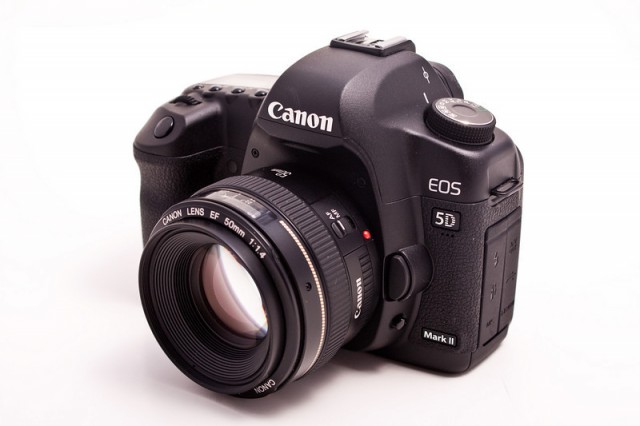
Refurb Canon 5D Mark II Back in Stock at $1999


Canon 5D Mark II
A week or two ago, Canon USA had refurbished Canon 5D Mark II’s for $1999. They sold out pretty quick.
They’re back in stock now (here’s the link to the 5D Mark II page), along with solid deals on several other Canon bodies.
There are also a number of refurbished Speedlites and lenses available direct from Canon USA.

Swag Bag Giveaway 2


Summer 2011 Swag Bag
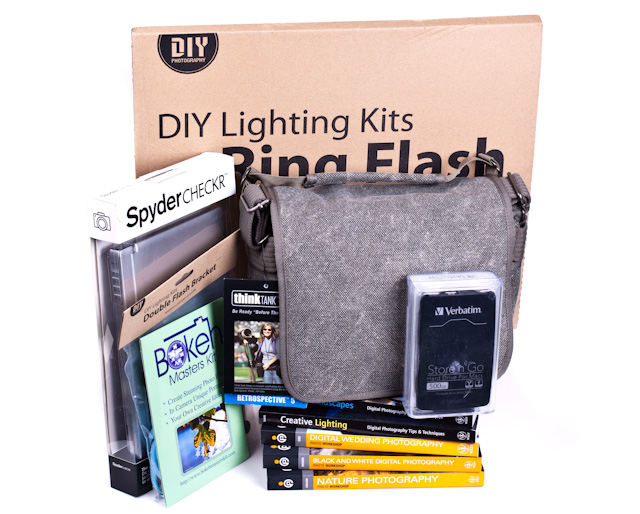
It’s been a long, hot summer.  So, Photography Bay is here to help one lucky reader beat the heat with some cool photography gear in the Swag Bag Giveaway 2.
One lucky reader will receive the following gear in the Swag Bag:
  • Think Tank Photo Retrospective 5 ($129 value from Think Tank Photo)
  • 500GB Verbatim Store ‘n Go Firewire 800/USB 3.0 Hard Drive ($174 value from Verbatim)
  • SpyderCheckr Calibriation Tool ($129 value Datacolor)
  • Ring Flash Lighting Kit ($24.95 value from DIY Photography)
  • Double Flash Bracket ($19.95 value from DIY Photography)
  • Bokeh Masters Kit ($35 value from DIY Photography)
  • Creative Landscapes: Digital Photography Tips and Techniques ($29.99 value from Wiley)
  • Creative Lighting: Digital Photography Tips and Techniques ($29.99 value from Wiley)
  • Digital Wedding Photography Photo Workshop ($29.99 value from Wiley)
  • Black and White Digital Photography Photo Workshop ($29.99 value from Wiley)
  • Nature Photography Photo Workshop ($29.99 value from Wiley)
Here’s how you can easily get your shot at winning the whole Swag Bag:
1. Be a fan of Photography Bay’s Facebook Page by “Liking” it.
2. Leave a comment on Photography Bay’s Facebook Wall that says something like: “I want to win the awesome Photography Bay Swag Bag Giveaway 2!”
That’s it.  Do those 2 things and you’re entered to win.
Details: You have until midnight on August 31, 2011 to enter.  Only one entry per person.  Winner will be chosen at random and announced after the contest ends.  Winner must have a valid Facebook account and respond to prize notification within 72 hours of such notification.  If the winner fails to respond within 72 hours, another winner will be randomly selected.  Applicable taxes are the responsibility of the winner.  The Swag Bag will only be shipped to a US mailing address.

Thank You Swag Bag Sponsors!

Photography Bay sends out a big heartfelt thanks to all the sponsors of this awesome Swag Bag, which include:
Think Tank Photo | Verbatim | Datacolor | DIY Photography | Wiley
Without awesome sponsors like these, the Swag Bag giveaways just couldn’t happen.  Thanks!

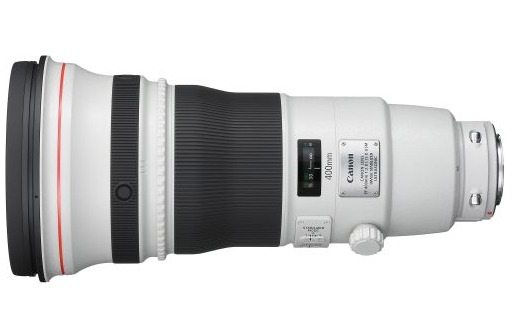
New Canon 300mm & 400mm f/2.8 Lenses Will Ship in Two Weeks


Canon 400mm f/2.8 IS USM II
The long-delayed Canon 300mm and 400mm f/2.8 lenses should ship in the next couple of weeks.  I’ve received confirmation that at least one of the lenses will be available in the US the week of August 14. 
Given that they were announced at the same time, it makes sense that we’ll see both of them then.  Just like the Canon 8-15mm lens that shipped last week in the US, these telephoto lenses were scheduled to be available this month back in May when Canon set the ship dates.
It looks like things are getting back to normal on Canon’s production end. However, if you want one of these lenses, you should probably get on a pre-order list if you aren’t already.
You can check back on availability for these lenses over the next couple of weeks via the links below.
Stay up to date with the latest news on these Canon lenses and more by subscribing to Photography Bay’s RSS feed.
If you happen to have more details about these lenses or other photography gear rumors, please drop a line via the contact form or email me anonymously at contact@photographybay.com.

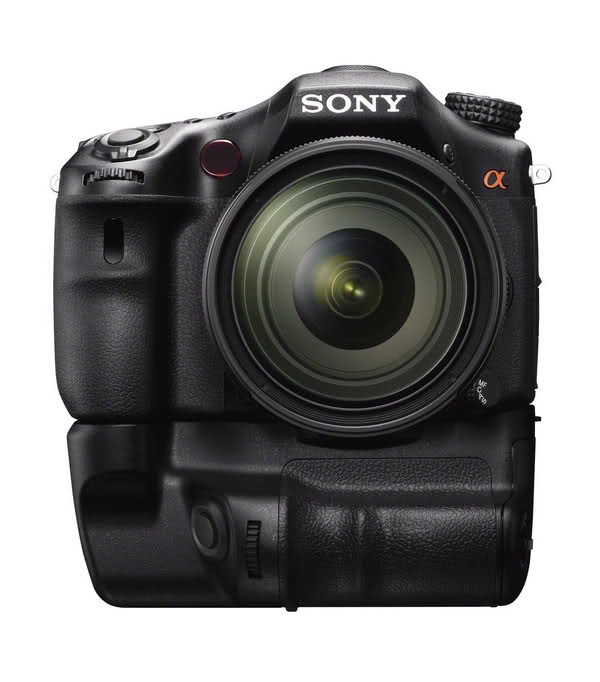
Sony A77 and NEX-7 Full Specs, Announcement on Aug. 24, Available in September/October

Sony A77
Sony A77
August is shaping up to be a pretty huge month for now prosumer/pro camera gear.  In addition to Nikon’s announcement, it looks like August 24 will be Sony’s big announcement date for the new Alpha models (A77 and A65) and NEX models (NEX-7 and NEX-5N).
After the big announcement from Sony, the A77 and NEX-7 are expected to be available in Japan in September – with US availability coming in October.
As for specifications, it looks like those have leaked out across multiple sources as well.

Sony A77 Specifications

  • 24.3 MP Exmor HD CMOS sensor
  • 19 points AF sensor with 11 cross-type sensors
  • ISO 100-16,000 (expandable ISO 50)
  • 1920 x 1080 60p/24p AVCHD 2.0
  • P/A/S/M manual controls while recording video
  • 1200 zone metering
  • New Bionz processor
  • 12 fps
  • 1/8000 Max Shutter Speed
  • TrueBlack 921k 3-way tilt LCD
  • 3 million dot OLED viewfinder
  • Smart teleconverter function with 1.4x and 2.0x option
  • Built-in flash
  • Built-in GPS
  • Battery life with over over 500 shots
  • Magnesium alloy body
  • Dust and Moisture proof
  • Multi Frame NR
  • SD card

Sony A65 Specifications

The A65 is expected to be a lower-grade version of the A77.  The overall specifications should be similar to the A77; however, the following differences are rumored to be the separating points between the two cameras.
  • Only 3 Cross-type AF Sensors.
  • 10fps
  • Tilting LCD (no dual-axis tilt)
  • No ISO 50 Expansion
  • No Magnesium Alloy Body
  • 1/4000 Max Shutter Speed
  • No LCD Panel on Top
  • Not Dust and Moisture Proof

Sony NEX-7 Specifications

Sony NEX-7
Sony NEX-7
  • 24.3 Exmor HD sensor
  • 100-16,000 ISO
  • 1200 zone metering
  • 1920×1080 60p/60i/24p AVCHD 2.0 (28Mbit/s) video recording
  • 3 million dot XGA OLED viewfinder
  • 3inch 921k TruBlack LCD display (touchscreen)
  • 10 fps
  • 20ms startup time
  • Built-in flash
  • New universal hot shoe
  • Battery life for over 400 shots
  • Magnesium alloy body

Sony NEX-5N Specifications

  • 16.1 MP Exmor CMOS Sensor
  • ISO 100-25600
  • 1920×1080 60p/60i/24p AVCHD 2.0 video recording
  • Shutter 1/4000
  • 10 fps
  • Can take over 430 shots with one battery
  • Same AF speed as the GH2

Sony NEX-VG20 Camcorder Specifications

  • 16 MP Exmor CMOS Sensor
  • 1920×1080 60p/60i/24p AVCHD 2.0 video recording
  • RAW Still Image Capture
  • 3-inch Touchscreen LCD
  • Audio Level Control
  • IR AVR Remote
[via Sony Alpha Rumors 1 and 2]